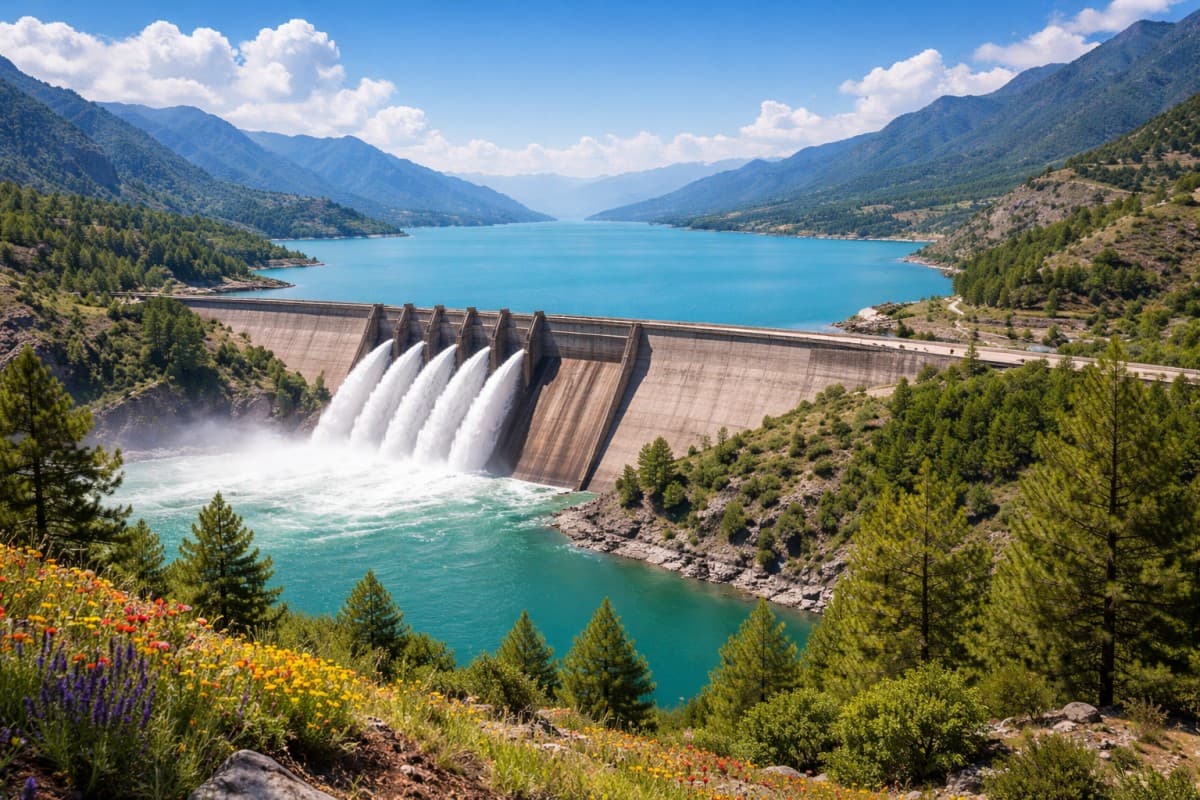
$60bn Indian plan for river storage raises alarm


ISLAMABAD — Pakistan’s water authorities have raised alarm over India’s reported $60 billion investment in new storage infrastructure on the western rivers — the Jhelum River and Chenab River — warning that expanded upstream capacity could significantly alter downstream water security dynamics.
At a federal-provincial dialogue on Feb 17, chaired by Water Resources Minister Mian Moeen Wattoo, Water and Power Development Authority (Wapda) Chairman Lt Gen (retd) Muhammad Saeed said India’s planned projects could expand its water storage window from 15 days to 55–60 days.
Strategic Risks Highlighted
Officials cautioned that such capacity could:
- Disrupt critical irrigation cycles, potentially causing drought during peak crop demand.
- Enable controlled flood releases during monsoon periods, increasing downstream flood risk.
- Intensify Pakistan’s already water-deficit conditions.
Participants described this as a potential “weaponisation” of river flows, urging urgent national preparedness.
Call for Accelerated Storage Development
Wapda emphasized the need for:
- Large flood reservoirs to absorb surplus flows and mitigate sudden discharges.
- Infrastructure to conserve annual floodwaters that currently flow unused into the sea.
- Shock-resilient systems to reduce vulnerability to upstream interventions.
Wapda has reportedly finalised plans for four medium-sized storage projects on the Chenab near Jhang, Chiniot, Sargodha, and Wazirabad, with an estimated cost of Rs300bn and a combined storage capacity of 4.5 million acre feet.
Provincial Divergence
The meeting revealed significant inter-provincial differences:
- Sindh warned that Pakistan is already water-scarce and questioned the hydrological and economic viability of large dams without detailed feasibility studies.
- Punjab backed new flood storage and offered institutional guarantees to address downstream concerns.
- Khyber Pakhtunkhwa pressed for expedited development of the Chashma Right Bank Canal project to utilize its allocated share.
- Gilgit-Baltistan sought representation in the Indus River System Authority (Irsa).
- Azad Jammu & Kashmir supported additional hydropower and storage projects but called for financial incentives for local communities.
Policy Implications
The dialogue underscores three urgent research and policy priorities:
- Hydrological modelling of upstream storage impacts under varying climate and monsoon scenarios.
- Economic viability and bankability assessments of proposed reservoirs.
- Inter-provincial governance reforms to build consensus on national water security strategy.
With regional water infrastructure expanding upstream, Pakistan’s policymakers face mounting pressure to align technical planning, climate resilience, and political coordination to safeguard long-term water security.
More News

UNITED NATIONS WATER CONFERENCE ABU DHABI 2026
IWMI-IPCC Co-sponsored Expert Meeting on Climate Change and Water
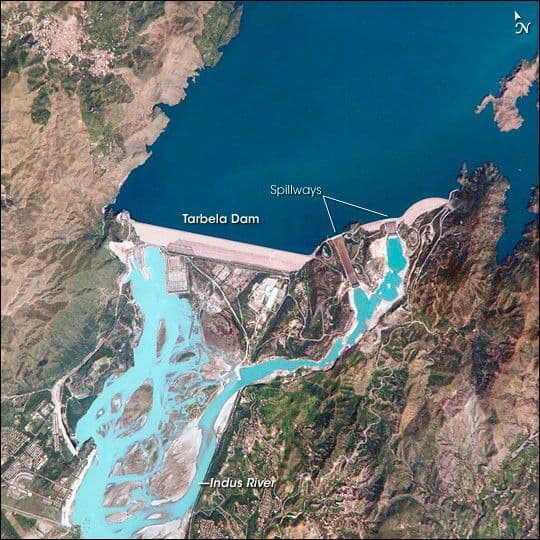
Tarbela Dam attains maximum storage level