Extreme Heat and Pakistan's Agriculture
Climate change threatens Pakistan’s agricultural sector, food and water security. Explore how extreme heat affects crop yields, livestock, rural incomes, and the urgent need for climate-smart agricultural policies.

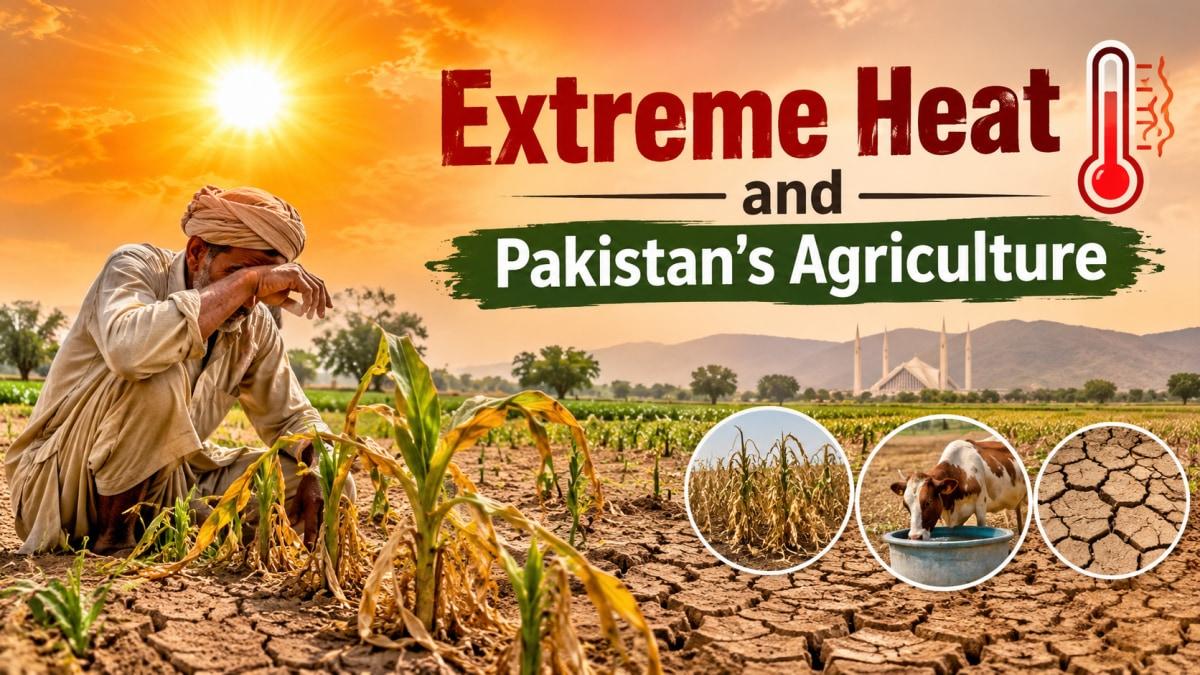
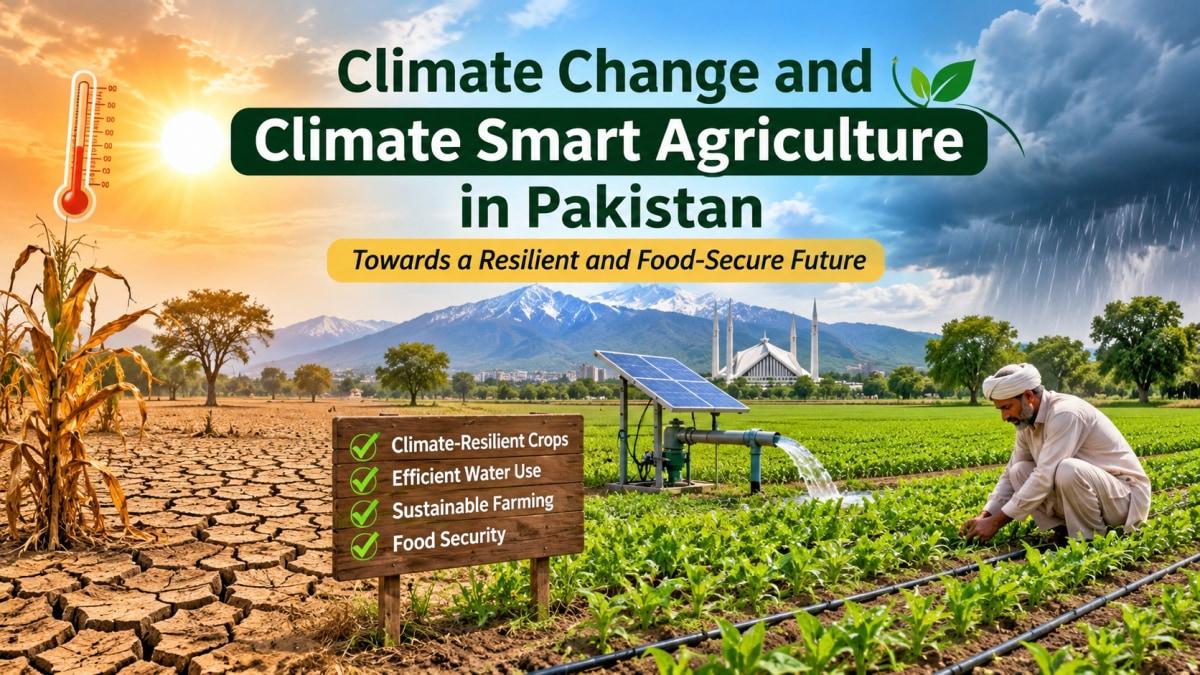
Pakistan is present in heat surplus zone. Climate change has posed serious threat to Pakistan's food security, water security and economic security. Crop yields are falling, livestock productivity is declining, fertile land is becoming uncultivable, and food insecurity is rising. Alongside, rural incomes are shrinking, and both cash and food poverty are increasing.
Recent UN assessment "Extreme Heat and Agriculture" by the Food and Agriculture Organisation (FAO) and the World Meteorological Organisation (WMO) has revealed that climate change has reduced the farm productivity, especially in rain-fed regions. The findings are particularly worrying for Punjab, where frequent and severe heatwaves are disrupting rural livelihoods. Fruit productivity in the province’s high-rainfall areas has reduced to halve. Livestock is suffering, with heat stress reducing milk production and increasing the incidence of diseases.
The consequences of climate change are not just limited to low farm productivity but also resulting in, reduced incomes for farming households, accelerating the spoilage of vegetables, dairy products, and other perishables.
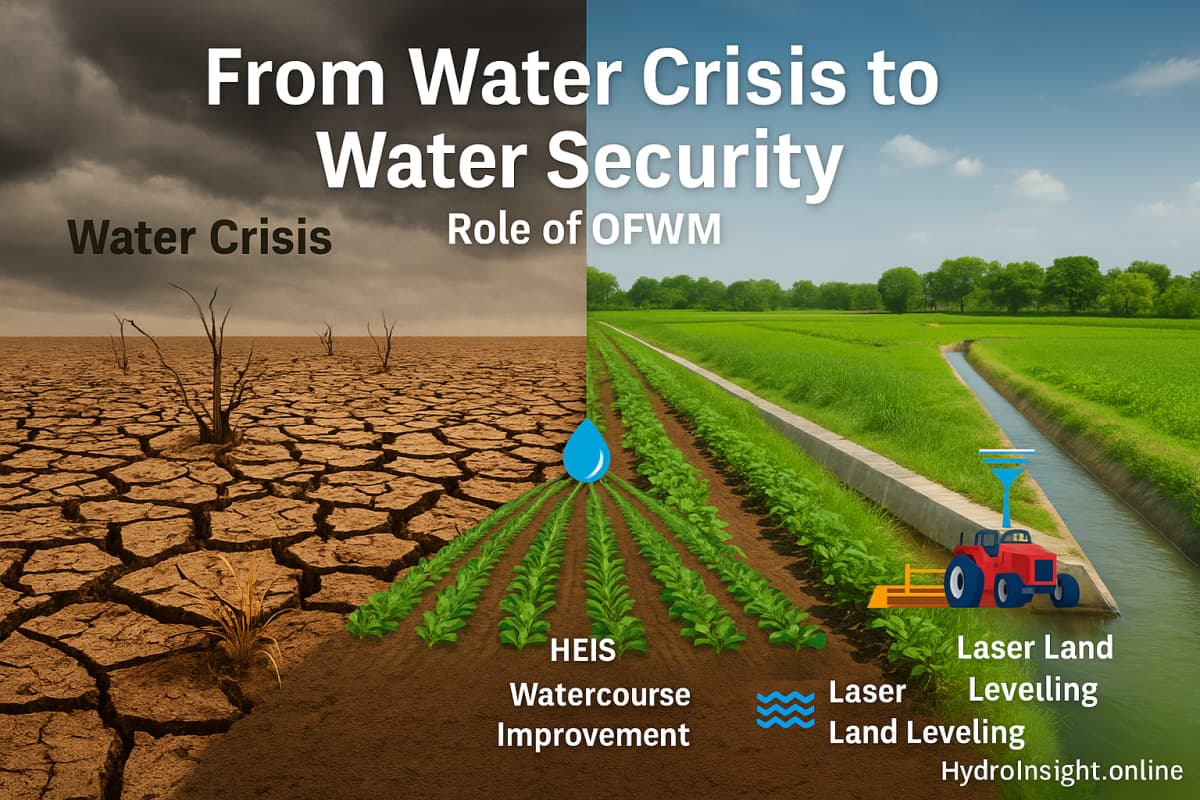
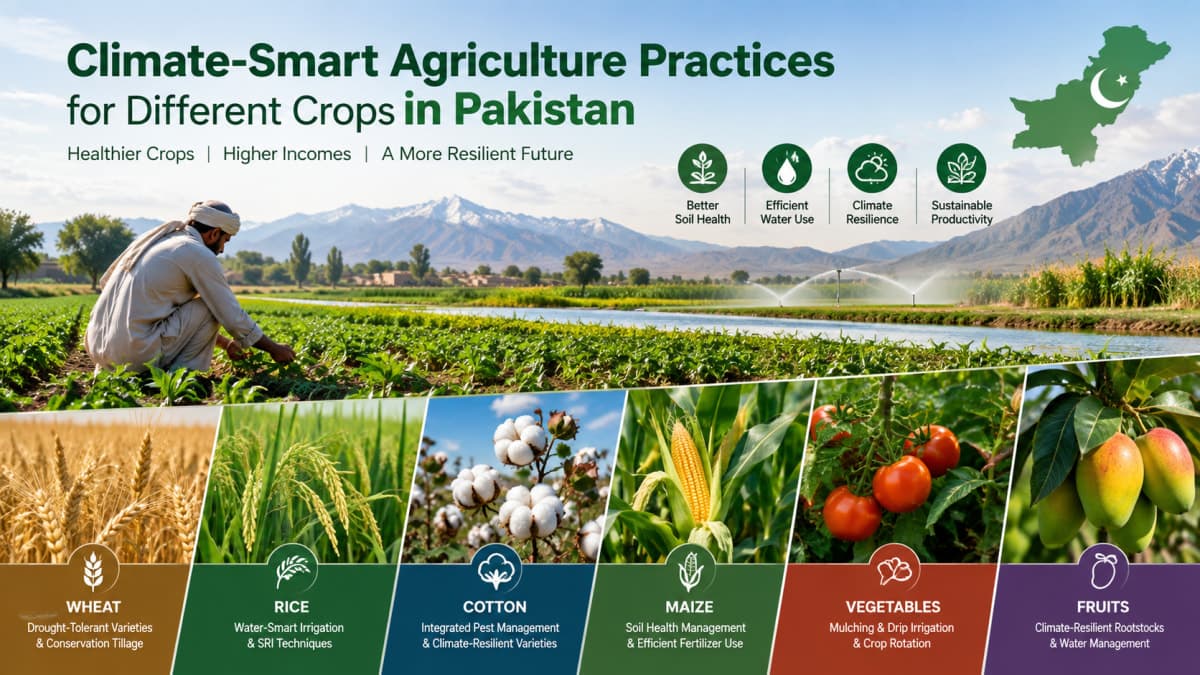
The effects of rising temperatures/climate change on agriculture sector cannot be mitigated by providing subsidies, setting mininum support prices. It is prime responsibility of state and allied department to ensure the provision/availability of heat-resistant crop varieties, climate smart agriculture practices, better water management technology, access to modern farming machinery. Moreover, investment in research and development is equally important.
The above facts reveal that climate adaptation is yet to find important place in our agricultural policies to ensure food and water secure Pakistan.