Climate Change Impacts and Climate-Smart Agriculture Practices in Pakistan
Discover how climate change impacts Pakistan’s agriculture and how Climate-Smart Agriculture (CSA) can help farmers adapt, improve productivity, and reduce greenhouse gas emissions. Learn about national policies, challenges, and solutions for a climate-resilient future.

1. INTRODUCTION
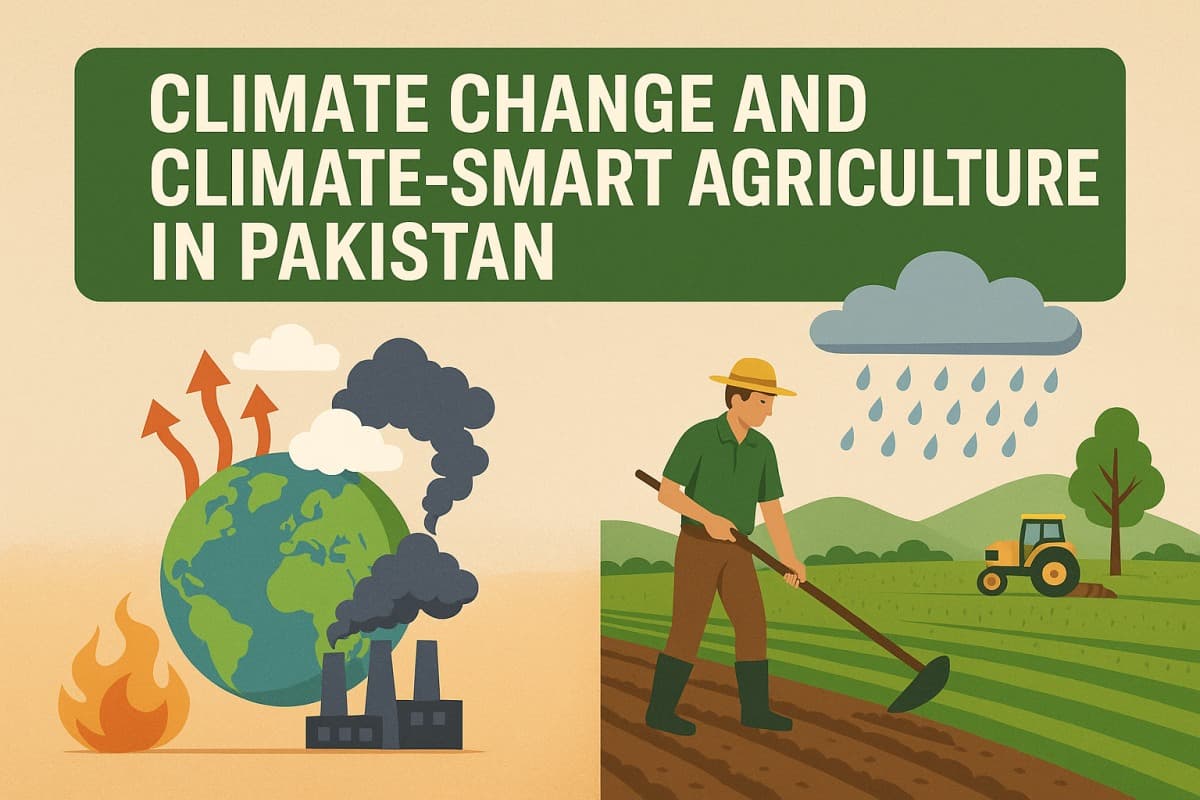
Climate change refers to long-term alterations in temperature, rainfall, snow, or wind patterns lasting decades or longer. These shifts are driven by both natural and human-made factors.
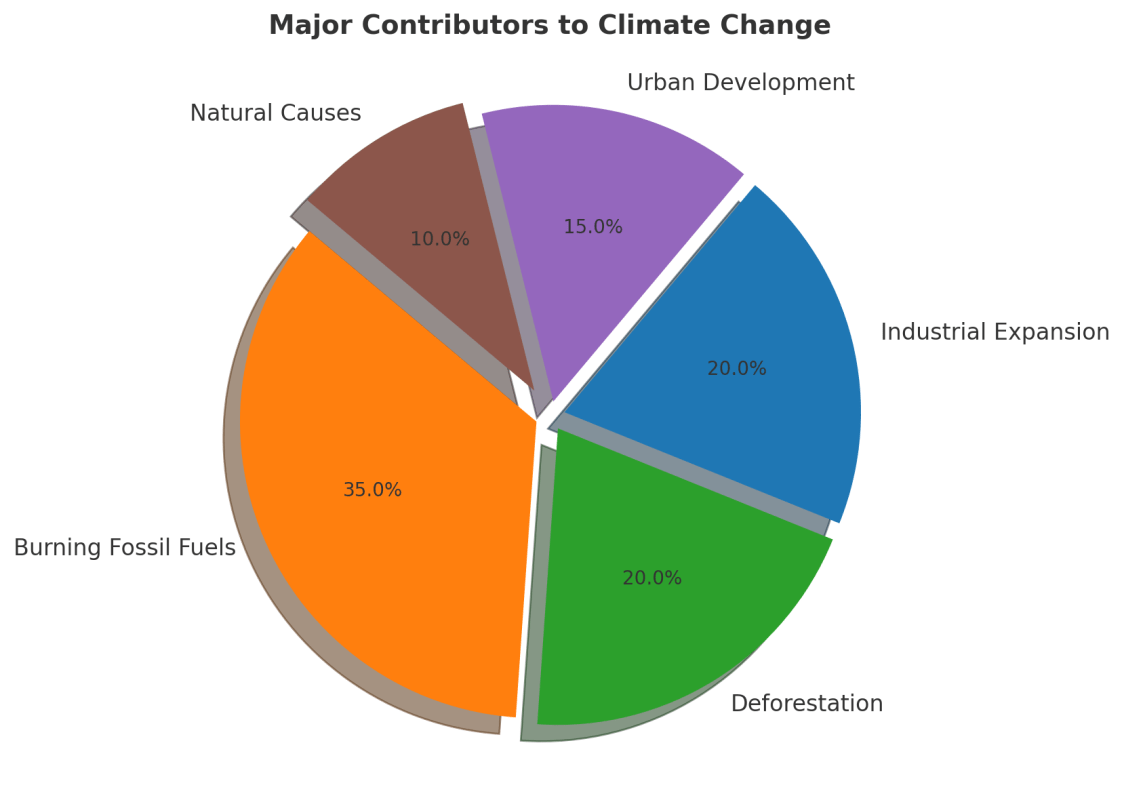
- Human causes include burning fossil fuels, deforestation, industrial expansion, and urban development. All of which release greenhouse gases (GHGs) like carbon dioxide and methane into the atmosphere.
- Natural causes include changes in the Earth’s orbit, solar intensity, volcanic activity, and oceanic circulation patterns.
While Earth’s climate has naturally fluctuated over millennia, the rapid warming observed today is primarily human-induced. Greenhouse gases, while necessary for maintaining the planet’s warmth, are now trapping excessive heat — disrupting Earth’s delicate energy balance.
1.1 Global Warming in Numbers
- Global surface temperatures have risen by 1.3°C in the last century.
- The past decade has been the warmest on record.
- The warming rate over the past 50 years is nearly double that of the previous century.
1.2 Pakistan’s Agricultural Backbone at Risk
Pakistan is an agriculture-based economy:
- About 90% of available freshwater is used for farming.
- Agriculture contributes 25% to GDP and provides jobs for 25 million people.
- It’s the main income source for 34% of men and 74% of women in rural areas.
- Agriculture accounts for 64% of Pakistan’s exports.
Yet, Pakistan is among the 10 most climate-vulnerable countries in the world. Rising temperatures, irregular rainfall, and extreme weather events threaten food security, rural livelihoods, and water resources — worsening poverty across the nation.
2. CLIMATE CHANGE IMPACTS ON AGRICULTURE
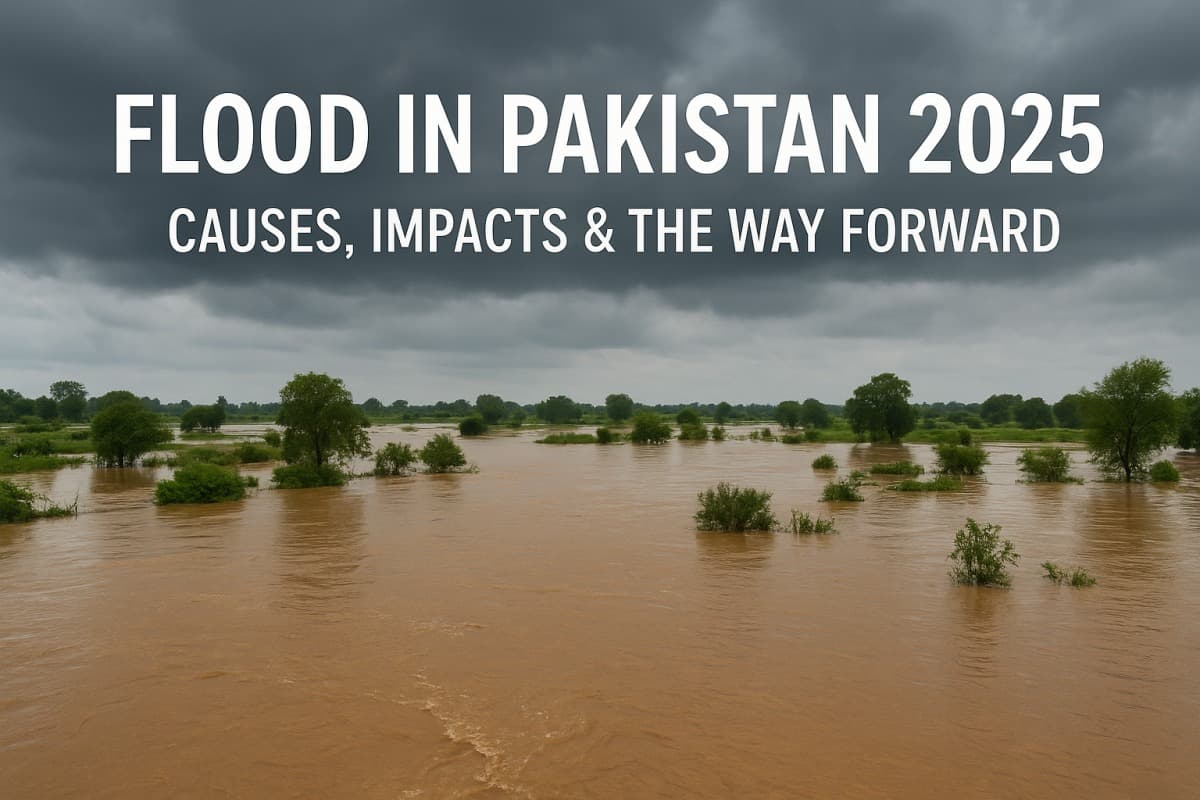
Climate change posed serious threats of extreme weather events, more frequent and intense floods, long duration drought, glacier melt, Glacial Lake Outburst (GLOF), coastal area flooding and many other direct and indirect risks. Pakistan witnessed 152 extreme weather events from 1988 to date which have resulted in huge damages to life, property, agriculture and livestock etc.
Agriculture is very sensitive to weather and climate. It also relies heavily on land, water, and other natural resources which are more prone to climate affects. Climate change may affect agriculture at both local and regional scales. Key impacts are described below
2.1 Changes in Agricultural Productivity
Agriculture is facing major challenges also due to other global climate change factors such as drought, heat waves, and heavy rains resulting in crop yield losses and economic losses to farmers. Increase in temperature can directly alter crop yields by accelerating crop growth cycles and minimizing time between sowing and harvesting. In Khyber Pakhtunkhwa, yield of key Rabi crops, including wheat has decreased. Declining precipitation and already depleting water table in major areas in the said province has reduced land area available for cultivation.
2.2 Impacts to Soil and Water Resources
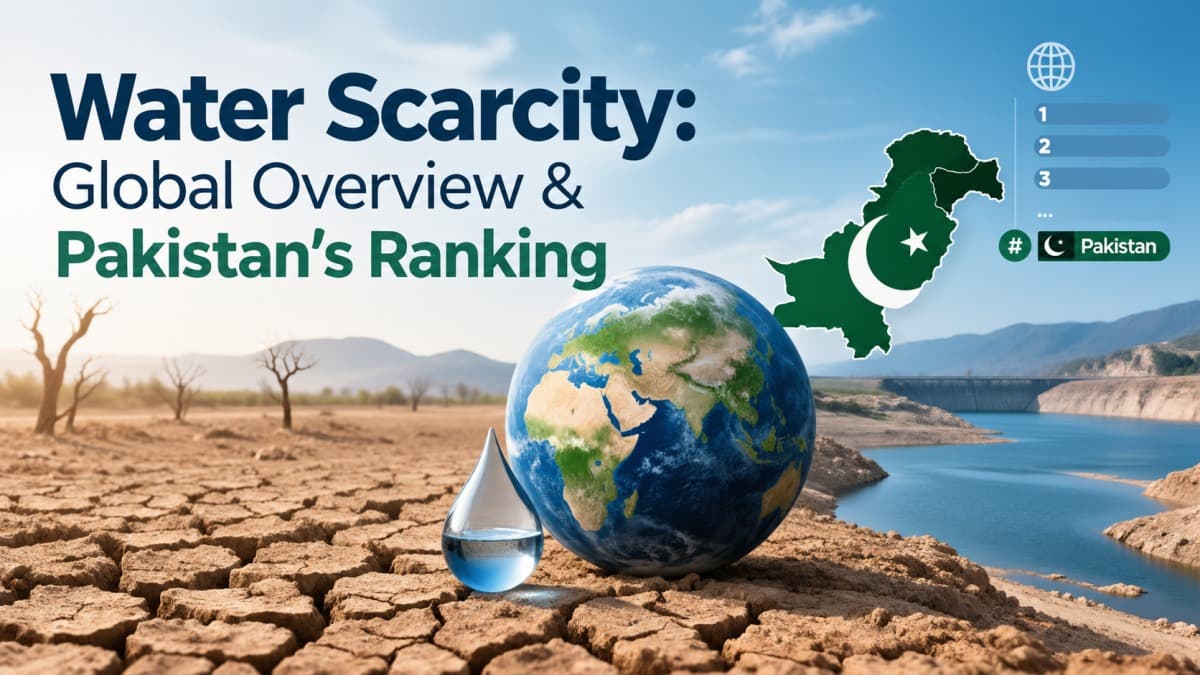
Pakistan’s glaciers are fast receding due to climate change resulting in glacier melt and Glacier Lake Outburst (GLOF), especially those at lower elevation. Increasing demand for water in agriculture poses a severe threat to water resources in Pakistan.
Soil texture, bulk density and organic matter content directly depend on climate condition. Recent studies have shown that increased level of carbon dioxide in the atmosphere greatly reduces soil organic matter by increasing the soil microbial activity. The loss of organic matter due to soil microbial activity and soil erosion results in an increase in soil bulk density, which in turn inhibit the growth of plant roots and collectively result in poor crop yields. Extreme climate events also affect soil chemical properties such as pH, content and distribution of soluble salts, nutrients, carbonates, cation exchange capacity and value of base saturation.
3. CLIMATE CHANGE AND AGRICULTURE SECTORS POLICIES
- National Climate Change Policy (2021)
- National Water Policy (2018)
- National Food Security Policy (2018)
- Punjab Smog Policy (2017)
- National Adoption Plan (NAP 2023)
All these policies highlight the vulnerability of various sectors to climate change and spells out the appropriate adaption option. These policies also address issues in sectors including water, agriculture, forestry, livestock, coastal area, bio diversity and others vulnerable ecosystem. Pakistan ranked among top 10 most vulnerable countries to climate change whereas its contribution to greenhouse gas (GHG) emission is very small. Pakistan always played its role as a responsible member o global community in combating climate change has been highlighted by giving due efforts to mitigation efforts in all above-mentioned sectors.
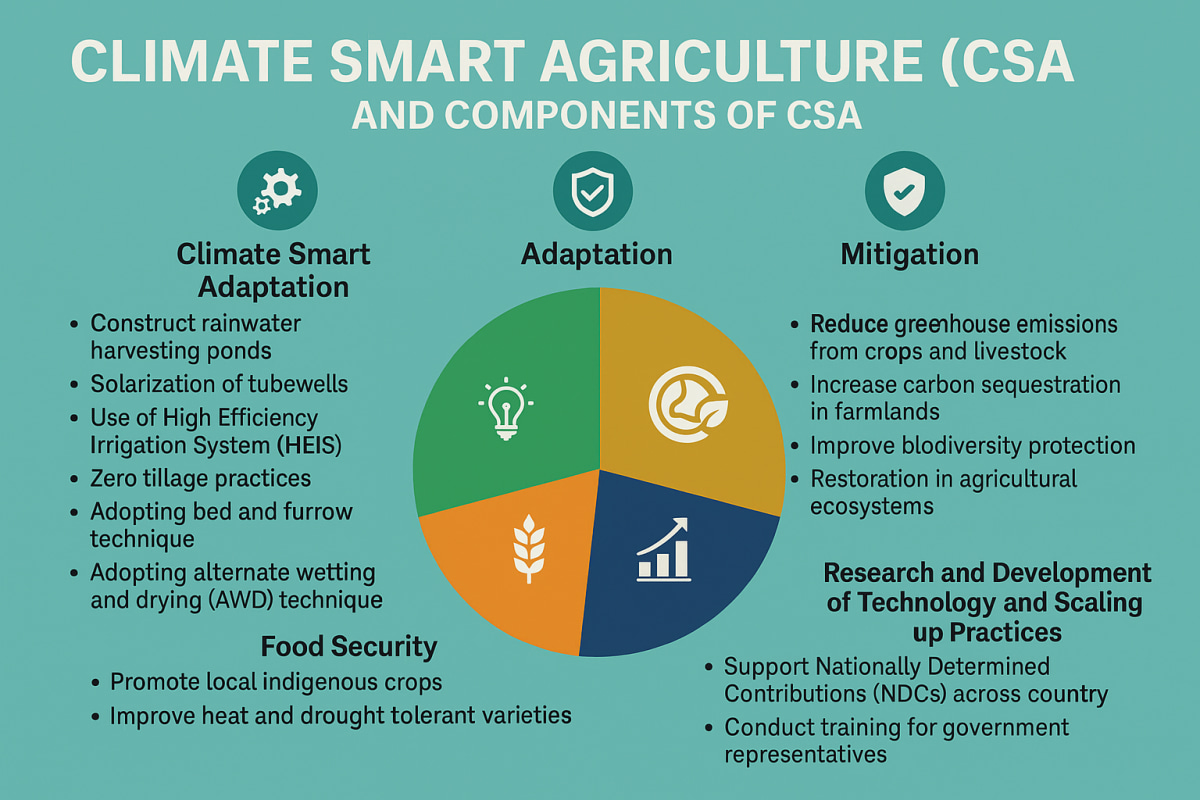
4. CLIMATE SMART AGRICULTURE (CSA) AND COMPONENT OF CSA
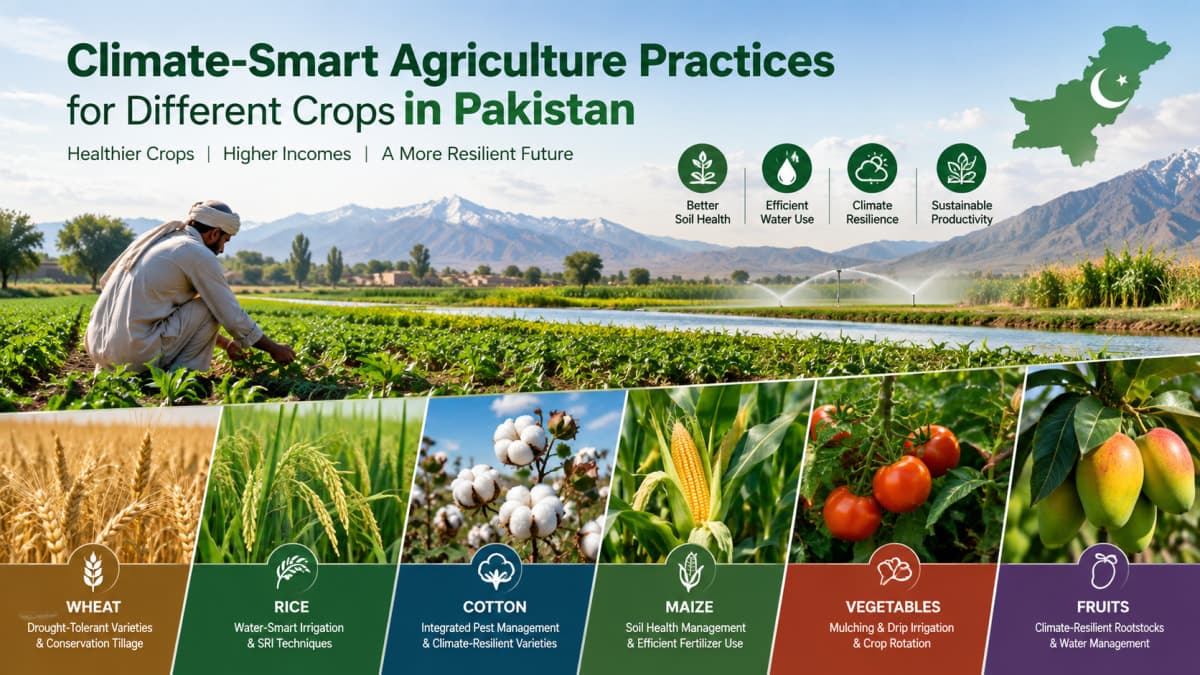
Climate smart agriculture is strategic approach for managing cropland, livestock, forest, landscape and fisheries to address the challenges of food security and climate change.
4.1 Key objectives of CSA
- Sustainably increasing agriculture production and income (Sustainable agriculture production)
- Adopting and building resilience to climate change (Adaptation)
- Reducing greenhouse gas emissions (Mitigation)
4.2 Components of CSA
i. Climate Smart Adaptation
Need to Adopt climate smart practices to increase income and productivity as per local context and environment. For example, to address the irrigation concerns, we need to adopt
- Construct rainwater harvesting ponds
- Solarization of tubewells
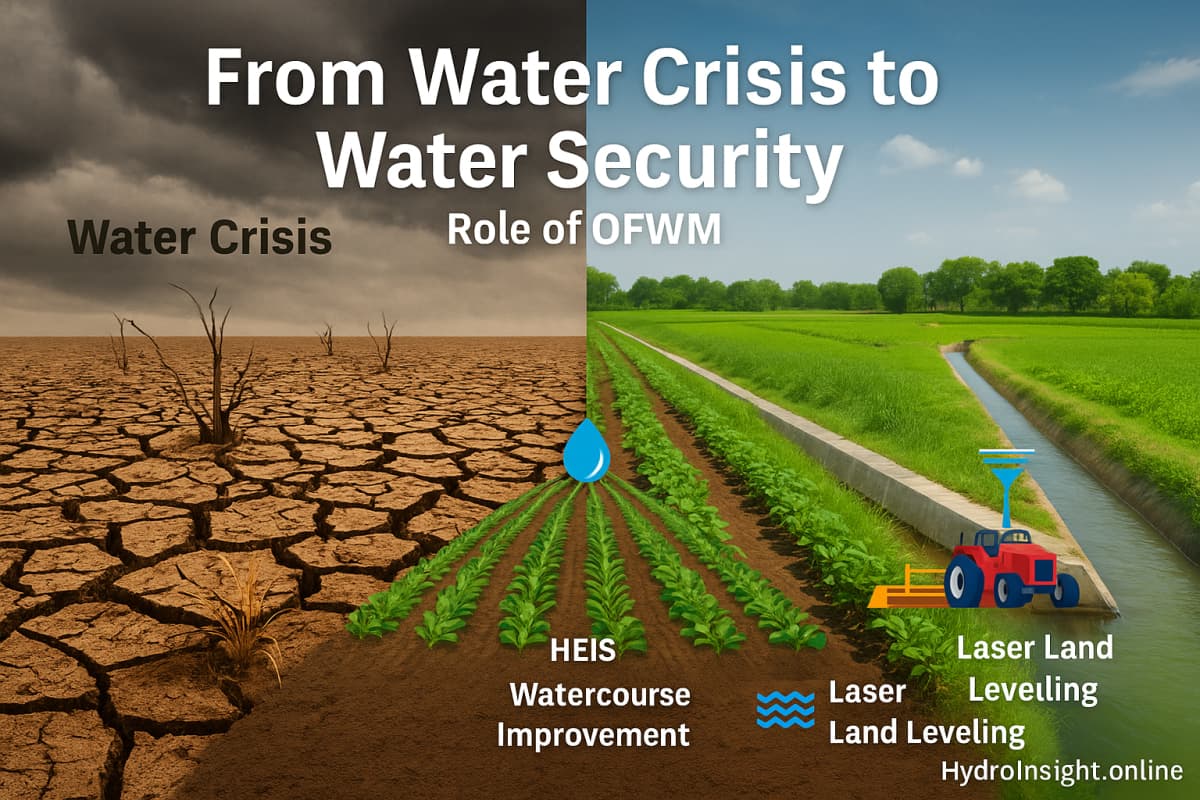
- Use of High Efficiency Irrigation System (HEIS)
- Zero tillage practices
- Adopting bed and furrow technique
- Adopting alternate wetting and drying (AWD) technique
ii. Climate Smart Mitigation
Climate change mitigation through greenhouse reduction promotes practices that help to reduce greenhouse emissions. For example,
- Reduce greenhouse emissions from crops and livestock
- Increase carbon sequestration in farmlands
- Improve biodiversity protection
- Restoration in agricultural ecosystems
iii. Food Security
Improve food security, reduce hunger and achieve nutrition through
- Promote local indigenous crops
- Improve heat and drought tolerant varieties
iv. Research and Development of Technology and Scaling up Practices
- Support Nationally Determined Contributions (NDCs) across country
- Conduct training for government representatives
4.3 Challenges to CSA
- Weak implementation of policies and institutional barriers
- Lack of knowledge and awareness of farming community
- Unavailability of certifies heat and drought tolerant varieties
- Lack of funds for research and development on technologies
- Weakness of extension services
4.4 Output of CSA
- Increase productivity
- Increase net return
- Improve input use efficiency
- Reduction in greenhouse emissions
- Increase resilience
5. CONCLUSION
Climate change is no longer a distant threat. It is a present-day reality reshaping Pakistan’s landscapes, water systems, and food production. The nation’s heavy dependence on agriculture makes it highly vulnerable to rising temperatures, erratic rainfall, and extreme climate events. Yet within this challenge lies a remarkable opportunity: to transform Pakistan’s agriculture into a climate-resilient and sustainable system through innovation, adaptation, and collaboration.
Climate-Smart Agriculture (CSA) offers a clear path forward, combining traditional wisdom with modern science to ensure food security, environmental protection, and rural prosperity. By adopting water-efficient irrigation systems, renewable energy sources, resilient crop varieties, and soil conservation practices, farmers can not only adapt to a changing climate but also help mitigate its impact.
However, success demands more than just technology. It requires strong policy implementation, farmer education, and investment in research and development. A coordinated effort between government, private sector, academia, and local communities can turn climate risks into growth opportunities, protecting livelihoods and natural resources for generations to come.
Pakistan stands at a crucial crossroads. Choosing sustainability over short-term gains, resilience over vulnerability, and innovation over inertia will determine its agricultural future. By embracing Climate-Smart Agriculture today, Pakistan can sow the seeds of a greener, stronger, and more food-secure tomorrow.
6. WAY FORWARD
The severity of effects caused by climate change will depend on the path of future human activities. More greenhouse gas emissions will lead to more climate extremes and widespread damaging effects across our planet. However, those future effects depend on the total amount of carbon dioxide we emit. So, if we can reduce emissions, we may avoid some of the worst effects.
A holistic and localized approach to Climate Smart Agriculture (CSA) practices will help Pakistan address climate change challenges such as flood, droughts and intense heat without compromising agricultural production quality and yield. CSA practices will contribute to reduction in GHG emissions
REFERENCES
https://climateknowledgeportal.worldbank.org/sites/default/files/2019-06/CSA-in-Pakistan.pdf
https://www.sciencedirect.com/science/article/pii/S2667010021004078
https://concaveagri.com/climate-change/
https://www.apn-gcr.org/wp-content/uploads/2022/04/CSA-module-book-_-08-Apr-2022-2.pdf
https://openknowledge.fao.org/items/9a05e639-eff9-47bd-89b2-98d710f188e6
FAQs
What are the three top climate impacts on agriculture?
With the planet already about 1.5 degrees Celsius hotter than pre-industrial levels, farmers in many areas are experiencing longer dry spells, unseasonable heat waves, and erratic weather that undermines yields, even when inputs like fertilizer and water improve.
What is the climate target for agriculture?
The target for “Agriculture” is a 25% reduction (5.75 Mt CO2eq). The setting of a national target for “Land Use” has been deferred to allow new scientific knowledge emerge, but is expected to be within the 37%-58% range set out in the 2021 Climate Action Plan.