Flood in Pakistan 2025: Causes, Impacts & The Way Forward
Flood in Pakistan 2025: Explore causes, impacts, and the way forward. Backed by research and surveys, discover solutions for a resilient future.

Introduction:
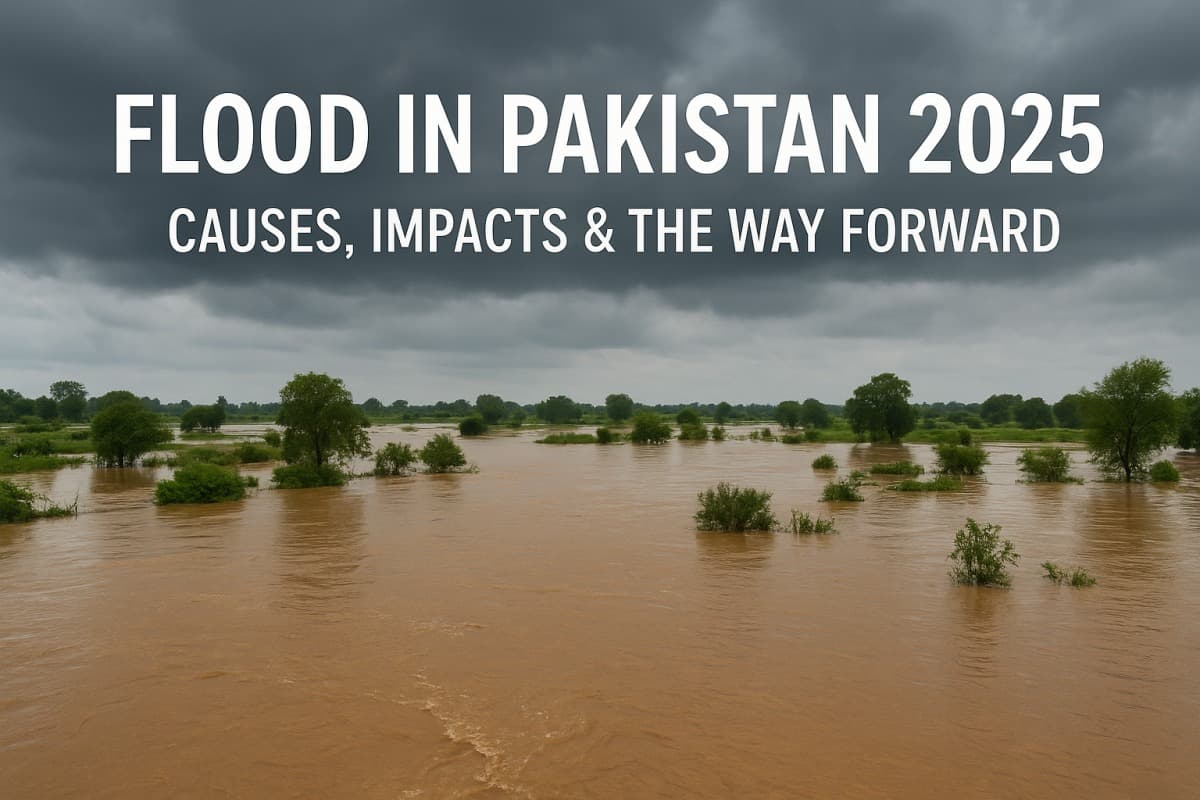
Flood in Pakistan is no longer a rare or occasional disaster. It has become a recurring national crisis. The year 2025 has once again brought devastating floods that submerged villages, displaced millions, and exposed the country’s fragile infrastructure and governance gaps. From the Indus Basin to the plains of Sindh and Punjab, torrential rains and glacial melt have triggered one of the worst humanitarian and economic challenges in recent years.
These floods are not merely natural events; they are compounded by a combination of climate change, rapid urbanization, poor land-use planning, and weak disaster preparedness. Scientists warn that Pakistan, ranked among the most climate-vulnerable nations in the world, will continue to face erratic monsoon patterns, rising temperatures, and intensified glacial melting. All of which increase the likelihood of frequent and severe flooding.
The impacts of the 2025 floods extend far beyond immediate destruction. They have disrupted food supply chains, destroyed crops on millions of acres, damaged critical infrastructure, and pushed vulnerable communities deeper into poverty. Beyond the economic toll, the social and psychological impacts on displaced families highlight the urgent need for long-term resilience strategies.
This blog explores the causes behind the 2025 floods, their devastating impacts on people, economy, and environment, and most importantly the way forward. By strengthening early warning systems, improving water management, enforcing sustainable urban planning, and fostering community resilience, Pakistan can transform this recurring disaster into an opportunity for building a safer, climate-resilient future.
Causes of Flood in Pakistan:
1. Heavy Monsoon Rains Intensified by Climate Change
The Pakistan Meteorological Department (2024) shows monsoon rainfall intensity has risen by 20% throughout the past twenty years. The changing climate has led to heavier rainfall events that occur within shorter timeframes which exceeds the capacity of rivers and urban drainage networks.
2. Glacial Melting in Northern Pakistan
The country contains 7,000 glaciers that represent the largest number of glaciers outside polar regions. The World Bank (2023) published research which demonstrated that global warming has sped up glacier melting processes which leads to increased river water flow and elevated dangers of Glacial Lake Outburst Floods (GLOFs).
3. Poor Infrastructure and Urbanization
Asian Development Bank research (2022) demonstrates that outdated drainage systems together with uncontrolled urban development lead to 40% of urban flooding throughout Pakistan. The uncontrolled growth of cities such as Karachi and Lahore has blocked natural water routes which results in catastrophic urban flooding during rainfall events.
4. Deforestation and Misuse of Land
The forest coverage in Pakistan has decreased to less than 5% according to FAO 2023 statistics which is significantly lower than the worldwide standard of 31%. The removal of forests in upper regions makes these areas unable to store rainwater which results in sudden flood events in lower areas.
5. Weak Governance and Insufficient Preparedness
The National Disaster Management Authority (NDMA) 2024 survey showed that 70% of households located in flood-risk zones failed to receive warning alerts in a timely manner. The survey indicates that Pakistan lacks effective warning systems and insufficient disaster response capabilities.
I’ve covered causes of flood in Pakistan in more detail here: [Causes of 2025 Flood in Pakistan: How Climate and Governance Failed].
Impacts of Flood in Pakistan 2025:
1. Humanitarian Crisis
The International Rescue Committee (2025) reported that floods in Pakistan 2025 forced more than 3 million people to become refugees. The flood disaster destroyed numerous homes while healthcare facilities faced challenges to contain cholera and dengue outbreaks which spread through contaminated water.
2. Agricultural Losses
The agricultural sector suffered severe damage because it generates 19% of Pakistan's GDP according to the Pakistan Economic Survey 2024–25. The essential export crops of rice and cotton suffered complete destruction throughout Sindh and Punjab provinces. The FAO conducted a survey in 2025 which showed that 30% of farmers experienced the loss of more than 50% of their seasonal crops.
3. Economic Damages
The World Bank (2025 preliminary report) calculated that the floods caused more than USD 12 billion in direct economic losses which included destruction of roads and bridges and damaged housing structures. The combination of food shortages in markets with Pakistan's weak economic state of economy triggered inflationary pressures.
4. Social and Psychological Impact
The UNDP survey from 2025 showed that displaced families experienced severe psychological distress while children faced the most risk from interrupted learning and deteriorating mental health conditions.
For a deeper dive into impacts of floods in Pakistan, check out my detailed blog on [Impacts of 2025 Floods in Pakistan: Humanitarian, Economic, and Social Consequences]
The Way Forward: Preventive & Adaptive Measures:
1. Strengthening Early Warning Systems
The implementation of modern forecasting technology stands as a necessity for current times. The World Meteorological Organization (2023) reports that Bangladesh achieved an 80% decrease in flood-related deaths through its community-based early warning system implementation. Pakistan needs to establish warning systems that combine SMS alerts with radio broadcasts and community-based volunteer networks for flood protection.
2. Investing in Resilient Infrastructure
The Asian Infrastructure Investment Bank (2024) supports the construction of flood-resistant embankments and dams and drainage systems as essential investments for infrastructure development.
The protection of floodplains through canal maintenance alongside infrastructure development will help decrease the chances of water overflows. Urban development requires the implementation of rainwater collection systems and intelligent drainage systems.
3. Afforestation and Ecosystem Restoration
The Government of Pakistan needs to speed up its Ten Billion Tree Tsunami reforestation initiative (Government of Pakistan, 2023). Research indicates that a 10% increase in forested areas leads to a 20% decrease in floodwater runoff (FAO, 2022).
4. Community Awareness and Disaster Education
The 2024 NDMA survey demonstrated that rural households reached only 25% of the population who understood evacuation procedures. The country requires extensive public education programs which should combine community-based training with school-based disaster preparedness education for all citizens.
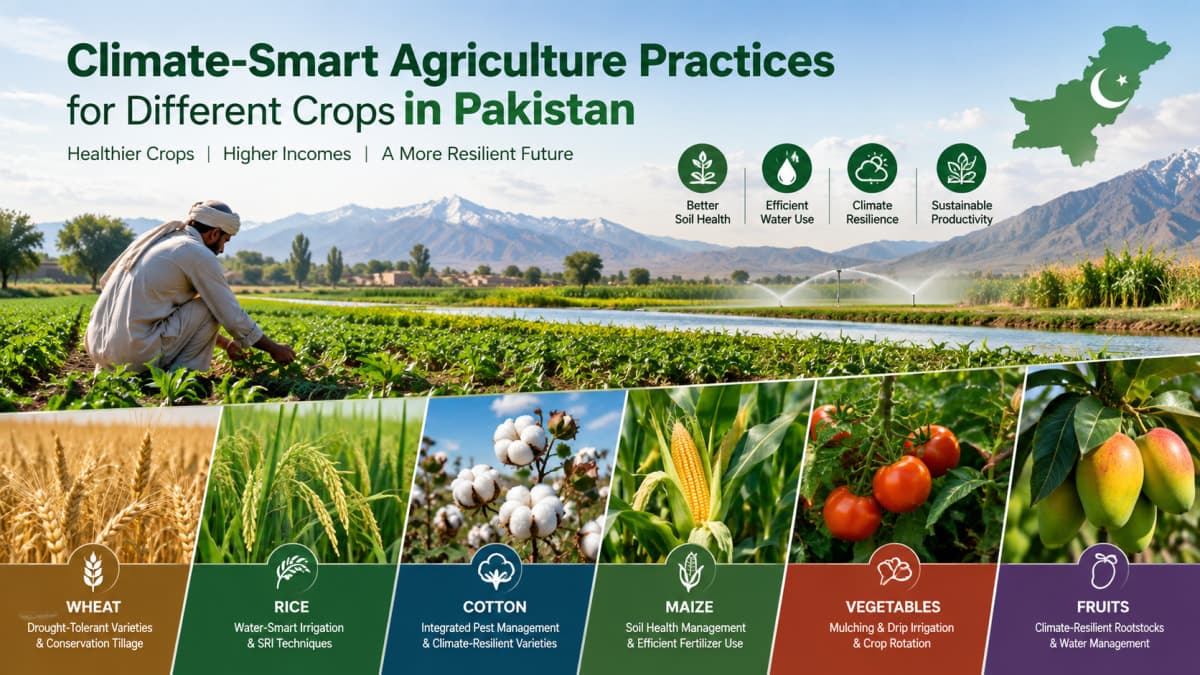
5. Climate-Smart Agriculture
Farmers can protect their crops through the use of flood-resistant seeds and raised-bed cultivation and by implementing diverse farming practices. Research conducted by ICRISAT (2023) demonstrates that climate-smart agricultural practices decrease flood-related crop damage by 30-40%.
To understand the way forward in more detail, see my blog on [How Pakistan Can Survive Future Floods: Strategies for 2025 and Beyond]
Conclusion:
The Pakistan 2025 flood disaster represents a single event within an ongoing climate emergency which demands immediate decisive action to prevent future disasters.
Research conducted by scientists together with worldwide observations demonstrate that effective solutions exist to prevent floods through enhanced infrastructure development and warning systems and tree planting and emergency readiness programs.
Pakistan needs to transition from its current practice of disaster relief to a proactive approach for managing disaster risks. The path to success requires joint efforts between national authorities and non-governmental organizations and international organizations and local communities. The nation can establish flood resilience by working together with all stakeholders to create a sustainable future.
References
https://wit.lums.edu.pk/news/wit-director-talks-about-pakistan-2025-floods-local-media
https://www.ndma.gov.pk/storage/publications/September2025/5a7DeS9RPoaFUxreIcmm.pdf
https://chakorventures.com/blog/flash-floods-in-punjab/
https://humanitarianoutcomes.org/sites/default/files/publications/pakistan_floods_1122.pdf
https://www.unep.org/news-and-stories/story/pakistans-ten-billion-tree-tsunami
FAQs
What are the two main types of floods?
The two main types of floods are flash floods (rapid onset) and river floods (slow onset). While weather agencies also track coastal and urban floods, these two categories represent the fundamental distinction in how floods form, how fast they strike, and the kind of danger they present.
What are the 5 stages of a flood?
The chronological lifecycle of a flood event typically breaks down into five sequential phases: the Accumulation Stage (water buildup from rain or melt), Notification Stage (warnings issued), Impact Stage (flooding occurs), Recession Stage (water retreats), and Recovery Stage (cleanup and repair).