Drip Irrigation System in Pakistan: Future Need, Government Efforts & Farmer Adoption Challenges
Drip Irrigation System in Pakistan: Explore water scarcity challenges, government subsidies, farmer adoption issues, and why drip irrigation is the future of climate-smart agriculture.

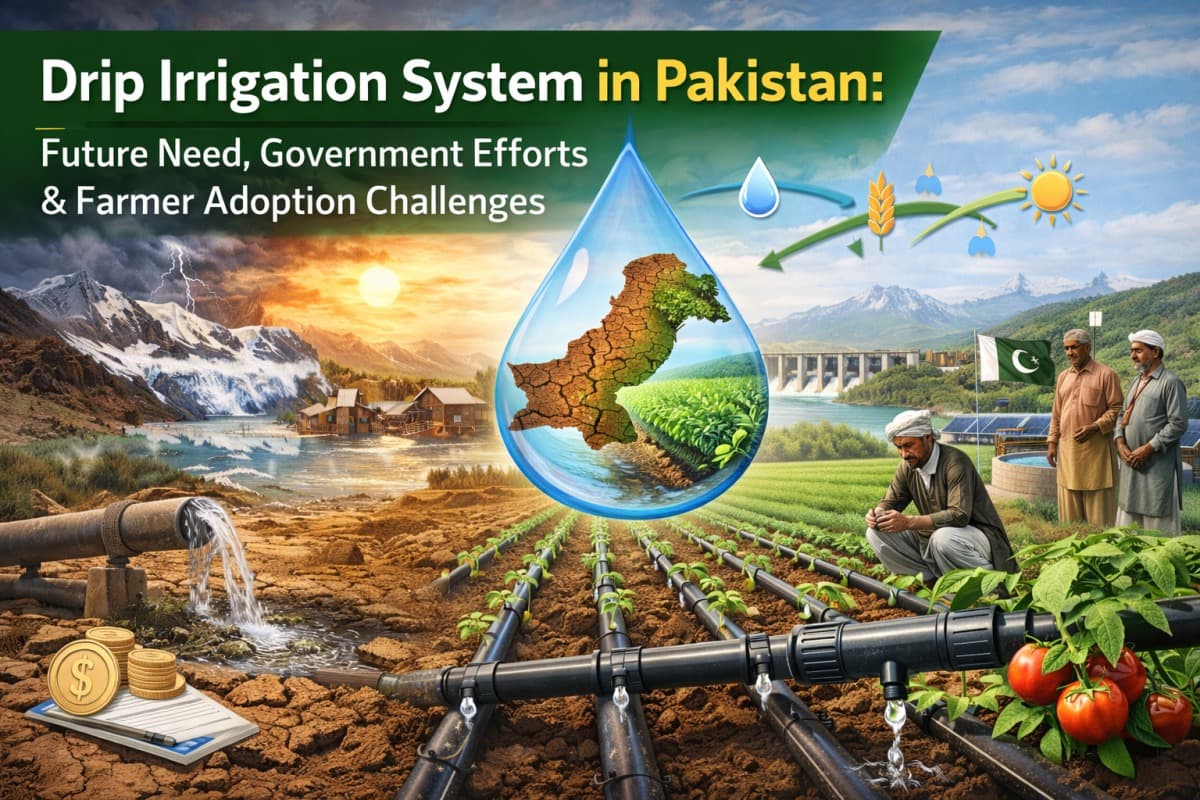
Introduction:
Pakistan is an agriculture country where more than 70% people are directly or indirectly associated with agriculture. Agriculture sector is the biggest consumer of water and contribute to 20% in national GDB. About 90% of total available water is consumed in agriculture sector whereas Pakistan’s irrigation system is only 40% efficient.
Pakistan receives 145MAF of surface water and groundwater abstraction is about 50 MAF whereas 9 MAF is rainfall contribution.
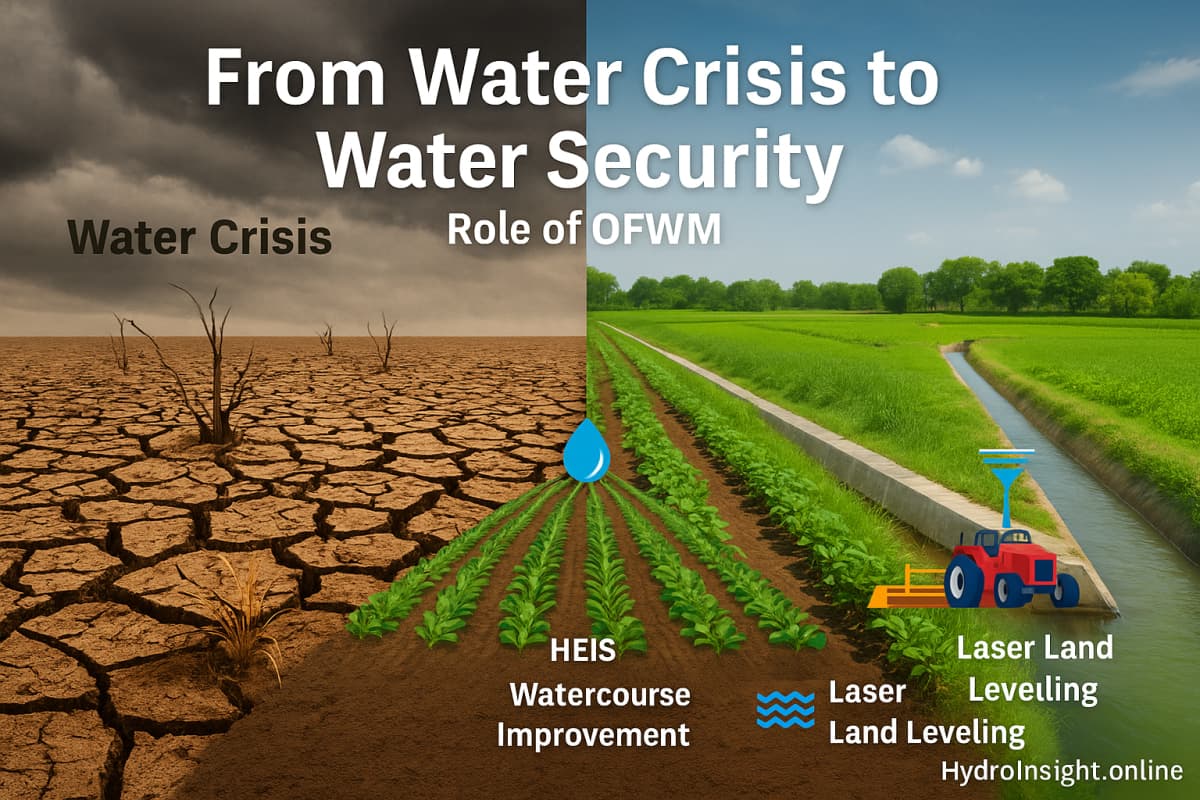
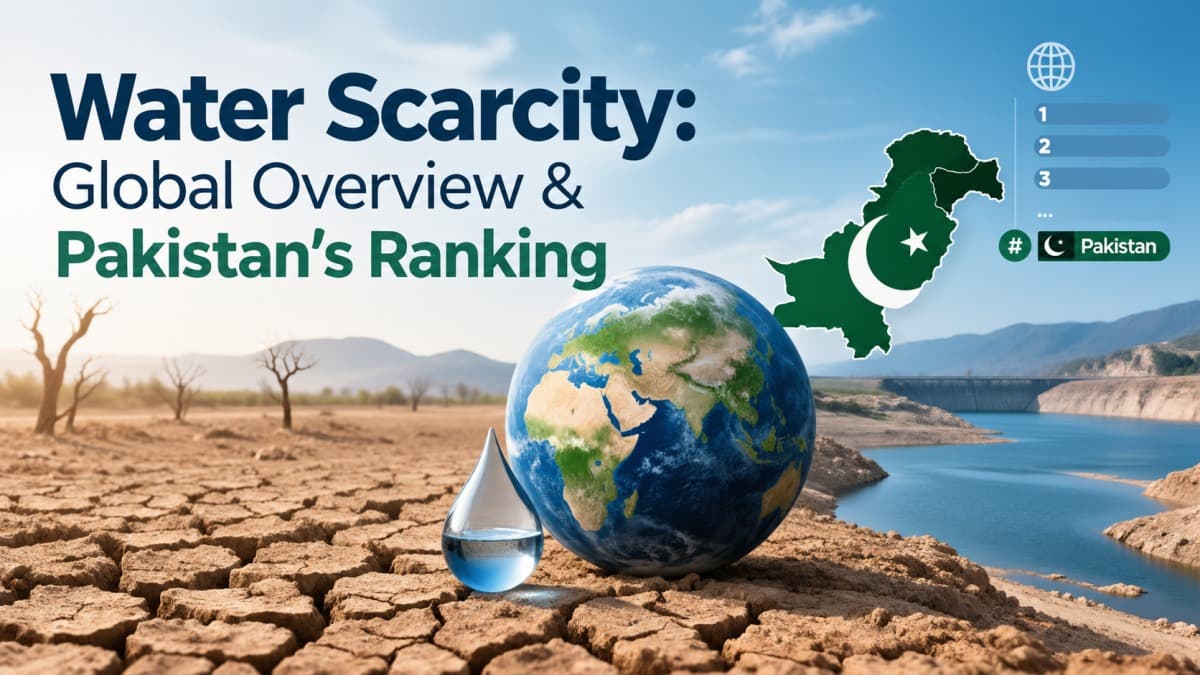
Pakistan is truly blessed with abundant of natural resources of water. However, due to rapid population growth, limited storage, poor water management and climate change, the country is rapidly moving from water stressed to water scarce status. The Falkenmark Indicator shows that countries where per capita water availability is less than 1,700 m³ is a water stress while those with under 750 m³ per person are considered water-scarce. In Pakistan, per capita water availability has reached below 1000 m3.
Unregulated and uncontrolled abstraction of groundwater further worsening the situation. Excessive mining of aquifer in fresh groundwater area has resulted in falling water tables and groundwater has become inaccessible in 15% and 20% of the irrigated area of Punjab and Balochistan respectively.
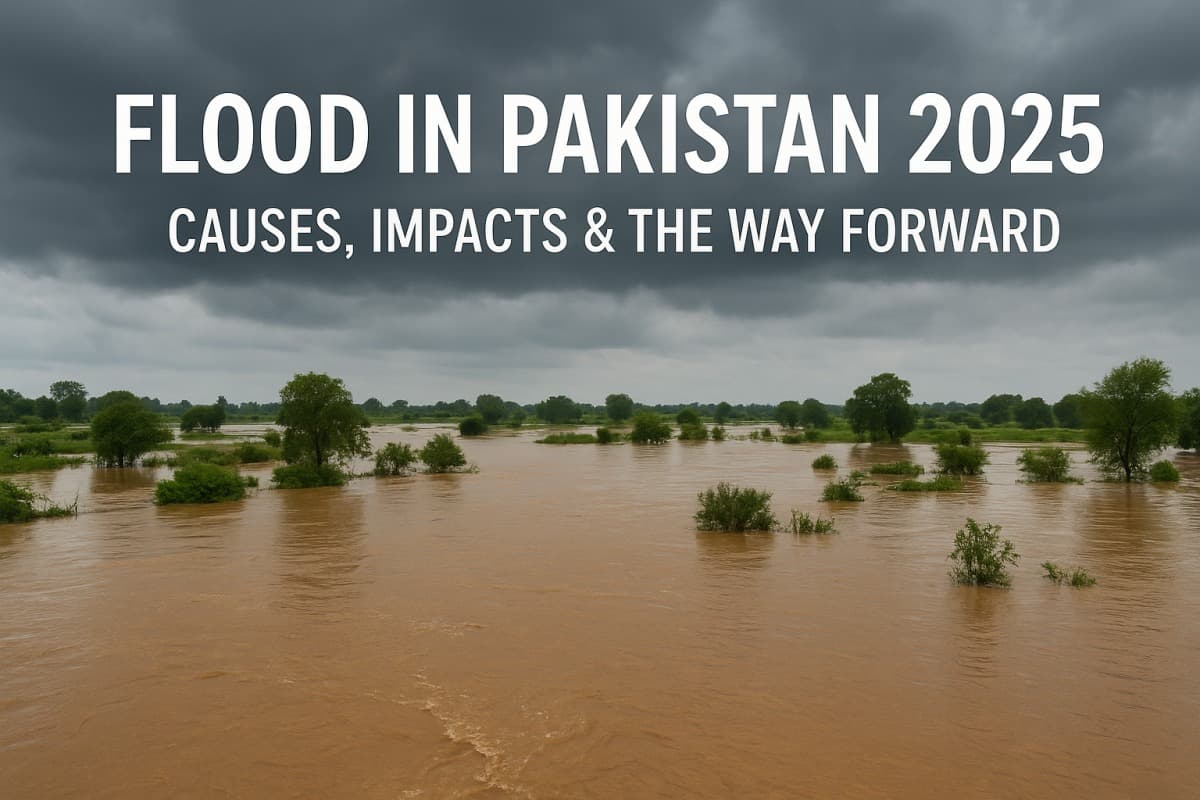
Climate change also posed serious threats of extreme weather events, more frequent and intense floods, long duration drought, glacier melt, Glacial Lake Outburst Floods (GLOFs), coastal area flooding and many other direct and indirect risks. All these factors are responsible for deepening the water crisis in Pakistan.
Under the prevailing challenge of water scarcity, food insecurity and climate change, adoption of drip irrigation system is dire need of time. Its adoption goes beyond ensuring water security; it lays the foundation for a sustainable, climate-resilient, and food-secure agricultural future for Pakistan.
What Is a Drip Irrigation System and How Does It Work?
A drip irrigation system is a modern micro-irrigation technique that delivers water directly to plant roots through a network of pipes, valves, filters, and emitters. Instead of flooding entire fields, water is supplied slowly and precisely where it is needed.
Key Benefits:
It has been clearly demonstrated through the drip irrigation systems already installed under the “Punjab Irrigated Agriculture Productivity Improvement Project (PIPIP)” that this technology delivers significant benefits to farmers, as outlined below.
- Drip system resulted in a significant water saving of 50 percent compared to traditional irrigation methods.
- Farmers using drip system experienced a yield increase ranging from 20 to 100 percent.
- Reduction in fertilizer use by 40 percent was witnessed
- Drip system resulted in faster fruit production within one to two years.
- Vegetable crops irrigated with drip system could be harvested 10 to 15 days earlier than those using conventional irrigation methods.
Why Drip Irrigation Is the Future Need of Pakistan
1. Rising Water Scarcity
Pakistan population has increased 2.7% during last five decades. So, Pakistan should have to built 24 MAF storage so far but unfortunately Pakistan remained unsuccessful in building a single major storage after commissioning of Terbela dam.As a result, about 30 MAF water directly goes to sea unutilized.
On the other hand, poor water management across all sectors further aggravating the water scarcity issue. Pakistan receives 105 MAF at canal head, out of which only 29 MAF water available to plant. Rest of the water lost during conveyance and application. Moreover, groundwater abstraction has already reached the safe yield limit. Unregulated and uncontrolled abstraction of ground water has put this precious resource under severe stress
The above situation higlights Pakistan’s failure in both Water resource development and water management. If the same situation remains continue, Pakistan may face acute water shortages in the coming decades. Under present situation, adoption of Drip irrigation systems can conserve billions of cubic meters of water annually if widely adopted.
2. Climate Change and Erratic Rainfall
Pakistan ranked among top 10 most vulnerable countries to climate change. Globally, average surface temperatures have risen by 1.3°C in the past century, and the last decade was the warmest on record. The rate of warming has nearly doubled in the last 50 years, forcing Pakistan into a dangerous cycle of longer summers, shorter winters, glacial retreat and erratic rainfall.
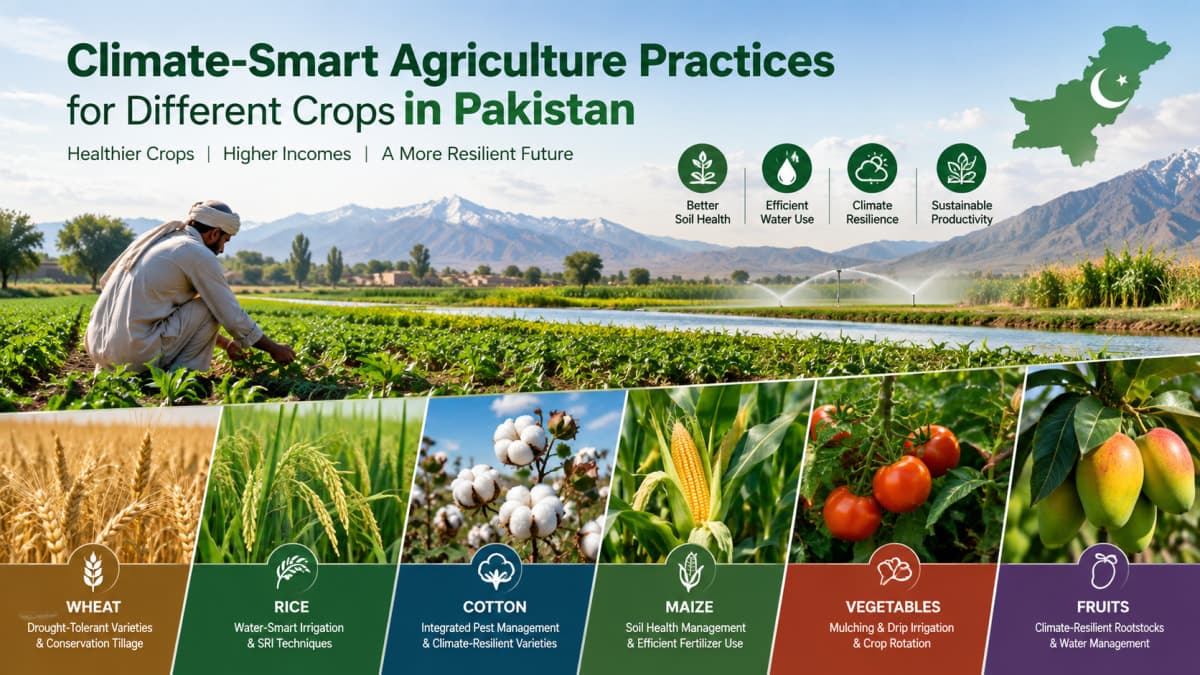
As glaciers retreat and melting accelerates, the country’s water reservoirs are shrinking, pushing it toward scarcity. Climate change demands climate-smart agriculture practices, and drip irrigation plays a central role in adaptation. By delivering controlled water supply, farmers can better manage crops during heatwaves and dry spells.
3. Increasing Food Demand
With a growing population expected to exceed 250 million, food security is becoming a serious concern. Higher productivity per acre is essential. Studies show that drip irrigation can increase crop yield by 20–100%, especially for vegetables, orchards, and high-value crops.
Government Efforts to Upscale Drip Irrigation in Pakistan
To address the challenges of water scarcity and food insecurity, Pakistan’s has initiated multiple projects at federal and provincial level. The governments have increasingly prioritized modern, high-efficiency irrigation technologies especially drip irrigation. These initiatives aim to ensure water-security through improved irrigation practices and strengthening the resilience against climate change impacts by adopting climate smart interventions.
1. Subsidy & Cost-Sharing Programs
The Government of Punjab has implemented cost-sharing arrangements that subsidize up to 75 % of the project costs for High Efficiency Irrigation Systems (HEIS) including drip and sprinkler irrigation for small land holders. This subsidy also extends to provision of solar tub wells and water storage ponds to promote the climate smart agriculture. (agripunjab.gov.pk)
For example, targeted Subsidies under currently ongoing “Punjab Resilient and Inclusive Agriculture Transformation (PRIAT)” Project, the provincial government introduced a scheme offering up to 75 % subsidy for HEIS installations, specifically aiming to accelerate adoption and support poor farmers. These incentives reduce entry barriers for small and medium farmers and align with national water conservation goals.
2. Integration with Climate-Smart & International Development Programs
Pakistan is leveraging partnerships with international development institutions to promote climate resilient agriculture. Many of the projects have already been completed like “Punjab Irrigated-Agriculture Productivity Improvement Program (PIPIP)” and many projects are currently ongoing like “PRIAT”. This initiative includes significant financing to stimulate drip and sprinkler irrigation adoption across Punjab, improve water productivity, and encourage crop diversification toward high-value horticulture. (World Bank)
In addition, the Pakistan Agriculture Research Council (PARC) is conducting pilot interventions like Responsive Drip Irrigation (RDI) in regions such as Lasbela, Umerkot, Karachi, and Thal, demonstrating water savings and operational benefits over conventional systems.(uraanpakistan.pk)
Moreover, The “Promotion of High-Value Agriculture through Solarization of Drip & Sprinkler Irrigation Systems” project in Punjab integrates solar energy with micro-irrigation which control carbon emission at source, enhance sustainability, and promote renewable energy use in agriculture (ofwm.agripunjab.gov.pk). These projects illustrate a shift toward climate-smart agriculture by combining water efficiency, renewable energy, and modern irrigation practices.
3. Policy & Institutional Support
Micro-irrigation receives support under Pakistan’s broader water and agricultural frameworks, emphasizing the need for efficient resource use to cope with water scarcity and climate variability.
Provinces such as Sindh and Punjab have incorporated drip irrigation and HEIS into their agricultural water management portfolios, with monitoring, training, and awareness-raising components to increase farmer uptake (irrigation.sindh.gov.pk).
4. Early Outcomes & Ongoing Challenges
While government investments and international support have accelerated drip irrigation installations on thousands of acres but adoption rates still face hurdles due to awareness gaps, operational constraints, and maintenance challenges. Nonetheless, these programs have laid a foundation for long-term transformation in irrigation practices (intracen.org). However, Government Struggles Include:
- Limited budget allocation
- Slow implementation and bureaucratic delays
- Lack of awareness among small farmers
- Weak monitoring of groundwater extraction
Despite policy support, scaling drip irrigation nationwide remains a challenge.
Adoption Challenges of Drip System
In Pakistan, flood irrigation still the dominant method of irrigation and used on more than 90% of irrigated area. In contrast, area under HEIS ranges 100,000–125,000 acres (<0.2% of cropped area), even after large public investments.
Whereas, In some developed countries (Israel, Germany, Slovak Republic) almost all irrigated area is under High Efficiency Irrigation System (HEIS). In short, pressurized irrigation systems are common in many developed countries, but in Pakistan they are still uncommon and mostly used only in small pilot projects. Key challenges are detailed below
1. High Initial Investment Concerns
Although subsidies reduce costs, many small farmers still hesitate due to high initial expenses.
2. Traditional Mindset
Many farmers rely on conventional flood irrigation because it has been practiced for generations. Change requires trust and demonstration of results.
3. Economic Incentives and Water Pricing
In Pakistan, canal water is highly subsidized and often charged on an area basis (abiana) instead of volumetric basis. Abiana collected is very low even it doesn’t cover 20% of the total operation and maintenance cost of irrigation network. So, individual farmers capture little direct financial benefit from saving water. Ultimately, weakening the economic case for HEIS adaptation in Pakistan. (World Bank)
4. Cropping Patterns
In Pakistan, much irrigated area is planted to relatively low-value, water-intensive field crops (wheat, rice, sugarcane, cotton). HEIS projects show better performance in orchards and tunnel farming, but HEIS systems often become non-operational when installed under conventional cropping pattern.
5. Small Land Holdings
It has been estimated that around 60% farmers in Pakistan have less than 5 acre land and only 5% farmers have more than 20 acre land. So, fragmented land holdings making them cautious about experimenting with new technology.
6. Lack of Technical Knowledge
Drip systems require proper installation, filtration, and maintenance. Without technical training, farmers fear system failure.
7. High Repair and Maintenance Costs
Most components of drip irrigation systems are imported, making spare parts and technical services expensive. In case of system failure, farmers often face substantial repair costs, which discourages wider adoption of drip irrigation technology.
Solutions to Improve Adoption in Pakistan
1. Expand Subsidies and Soft Loans
Scaling up subsidies and offering interest-free loans can significantly lower the financial barrier for small farmers. Affordable financing enables quicker adoption of drip irrigation without placing additional economic stress on rural households.
2. Farmer Training and Demonstration Projects
Hands-on field demonstrations and model farms help farmers witness real yield improvements and water savings. Practical exposure builds confidence, reduces misconceptions, and accelerates peer-to-peer learning.
3. Integrate with Solar Irrigation Systems
Combining drip irrigation with solar-powered pumps reduces dependence on grid electricity and diesel fuel. This integration lowers operational costs while promoting climate-smart and energy-efficient agriculture.
4. Adequate Water Pricing
Unless water is recognized as an economic good rather than a free commodity, it will remain difficult to encourage farmers to adopt efficient systems like drip irrigation. When water is appropriately valued, users are more likely to conserve it and invest in modern, water-saving technologies.
5. Stronger Water Regulation Policies
Groundwater monitoring, and regulated extraction can create economic incentives for efficient water use. When water is valued appropriately, farmers are more likely to adopt conservation technologies.
6. Strategic Elimination of Conventional Flood Irrigation
As clearly mentioned in National Water Policy 2018, government should impose complete ban on flood irrigation. However, a structured transition away from flood irrigation, supported by policy, financing, and technical assistance would not only conserve scarce water resources but also enhance farm profitability, climate resilience, and long-term food security in Pakistan.
7. Indigenization of Components and Local Manufacturing
Since most drip irrigation components are imported, the overall system cost remains high and unaffordable for many small farmers. Promoting local manufacturing and indigenization of parts can significantly reduce costs, ensure easier availability of spare parts, and make drip irrigation more accessible and easily adoptable for poor farmers.
Conclusion
Pakistan stands at a critical crossroads. Amid growing challenges of food insecurity, water scarcity, climate change and a rapidly growing population, the country can no longer afford inefficient irrigation practices. Because, water is not just a resource, it is the backbone of our agriculture, our economy, and our food security. Drip irrigation is no longer an option, it is a necessity. The evidence from projects like the Punjab Irrigated Agriculture Productivity Improvement Project (PIPIP) clearly shows that drip systems can save up to 50% of water, ensure increase yield from 20 to 100%, reduce fertilizer use upto 40%, and accelerate crop maturity. These are not small gains, they are transformative outcomes for farmers and for the nation.
While government initiatives such as the “Punjab Resilient and Inclusive Agriculture Transformation (PRIAT)” and “Punjab Irrigated Agriculture Productivity Improvement Project (PIPIP)” project are promising steps in the right direction. Policymakers must prioritize water governance and fair pricing. Institutions must strengthen technical support and monitoring. Farmers must be empowered through awareness, training, and access to affordable financing. The transition from traditional flood irrigation to high-efficiency systems may seem challenging, but history shows that nations that invest in water efficiency secure their future. Countries that embraced modern irrigation technologies have not only conserved water but also enhanced productivity and resilience.
Every drop saved through drip irrigation is a step toward water security. Every acre converted is an investment in climate resilience. Every farmer empowered is a safeguard for national food security. The choice is clear either continue with outdated practices and risk deepening crisis or embrace innovation and build a sustainable agricultural future.
References
https://www.agrivi.com/blog/drip-irrigation-as-the-most-efficient-irrigation-system-type/
https://www.sciencedirect.com/topics/engineering/drip-irrigation-system
https://www.smsfoundation.org/what-is-a-drip-irrigation-system-and-how-does-it-help-to-save-water/
FAQs
How much does 1 acre of drip irrigation cost in Pakistan?
The drip irrigation cost per acre can vary significantly based on several factors like crop type, soil type, the quality of materials used, and the complexity of the installation. In Pakistan, average cost of a Drip Irrigation per Acre for orchard ranges between Rs.400,000 to Rs.550,000 whereas in vegetables case cost per acre ranges between Rs.550,000 to Rs.800,000.
Is drip irrigation suitable for small farmers?
Yes. With government subsidies, drip irrigation can be highly beneficial for small farmers by reducing water use, lowering fertilizer costs, and increasing profitability.
How does drip irrigation support climate-smart agriculture?
Drip irrigation reduces water waste, improves nutrient efficiency, lowers energy consumption (especially when integrated with solar pumps), and helps crops withstand heatwaves and droughts.
What crops are suitable for drip irrigation in Pakistan?
Drip irrigation performs best for orchards, vegetables, tunnel farming, grapes, citrus, mango, and other high-value crops. It is less commonly used for wheat, rice, and sugarcane due to cropping patterns.