Flood Irrigation Reform in Pakistan: Policy Solutions for Water Scarcity and Climate Risk
Explore policy solutions for flood irrigation reform in Pakistan to tackle challenges of water scarcity, climate change, and food insecurity.

Introduction
Pakistan is facing growing chllenges of water scarcity, climate change, and food security. Being an agrarian economy, agriculture contributes nearly 20% to the national GDP and employing 43% share of the population. Agriculture remains the backbone of the country’s economic stability. However, this sector consumes almost 90% of Pakistan’s total available freshwater and relies on centuries old inefficient irrigation practice of flood irrigation. Currently, nearly 90% of farmers depend on this highly inefficient method, which results in massive water losses, declining water productivity, and increasing environmental degradation.
The situation becomes more alarming when considering that out of total consumption of agriculture sector, 80% is used by five major crops wheat, rice, maize, cotton and sugarcane whereas these crops contribute only 5% in GDP. Despite heavy water consumption, these crops are largely cultivated using flood irrigation, further exacerbating inefficiencies in water use. In a country where per capita water availability has drastically declined and climate variability is intensifying, continuing with such inefficient irrigation practices is no longer viable.
Climate change is already reshaping Pakistan’s hydrological patterns through erratic rainfall, prolonged droughts, glacier melt, floods, and shifting monsoon cycles. These emerging climate risks are placing unprecedented stress on an already fragile water system, threatening agricultural sustainability and long-term food security. Moreover, traditional flood irrigation contributes to soil salinity and waterlogging which further reduce crop yields and farmer resilience against climate shocks.
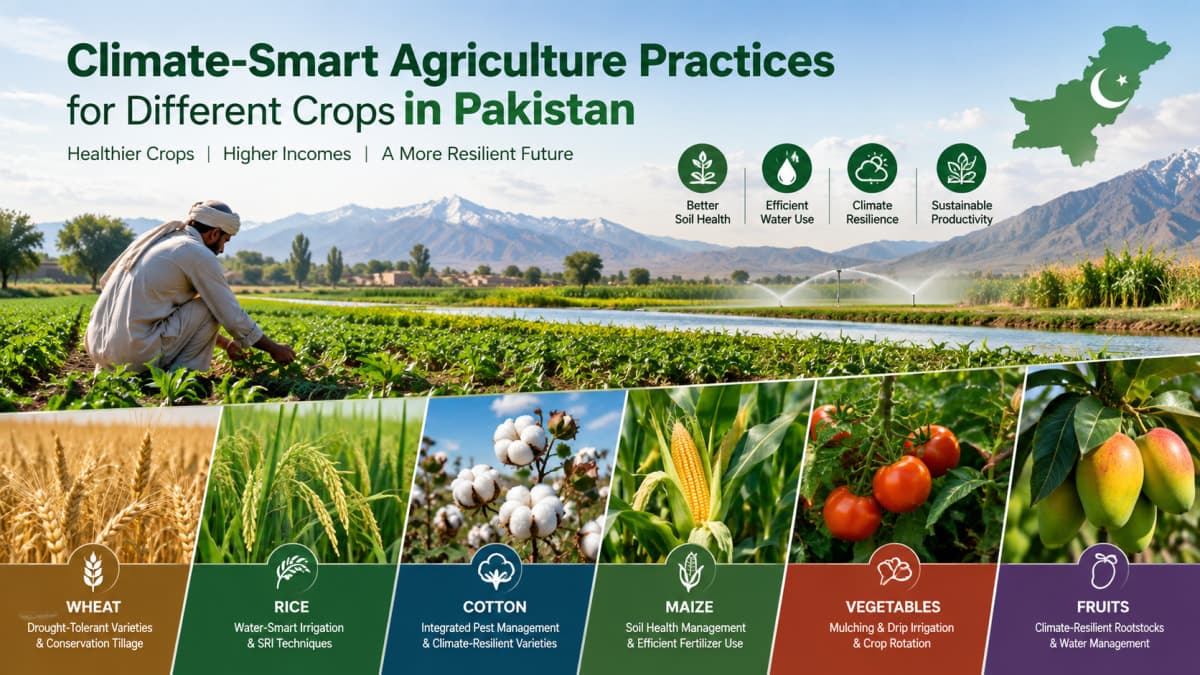
In this context, reforming flood irrigation is not merely a technical adjustment but a strategic policy imperative for ensuring water security and climate resilience. Transitioning toward efficient irrigation systems, improving water governance, reforming pricing mechanisms, and promoting climate-smart agricultural practices are essential to optimize water use and enhance agricultural productivity. Therefore, flood irrigation reform must be integrated into national water and agricultural policies as a central pillar for addressing Pakistan’s water scarcity crisis and mitigating climate risks while sustaining economic growth and food security for future generations.
The Problem with Flood Irrigation
Flood irrigation method is extremely inefficient and contributes heavily to water scarcity, reduced crop productivity, and increasing vulnerability to climate change. Amid growing challenges of food insecurity, water scarcity and climate change, flood irrigation further amplifies the issues. Moreover, reliance on traditional flood irrigation also contributes to soil salinity and waterlogging which lead poor water productivity.
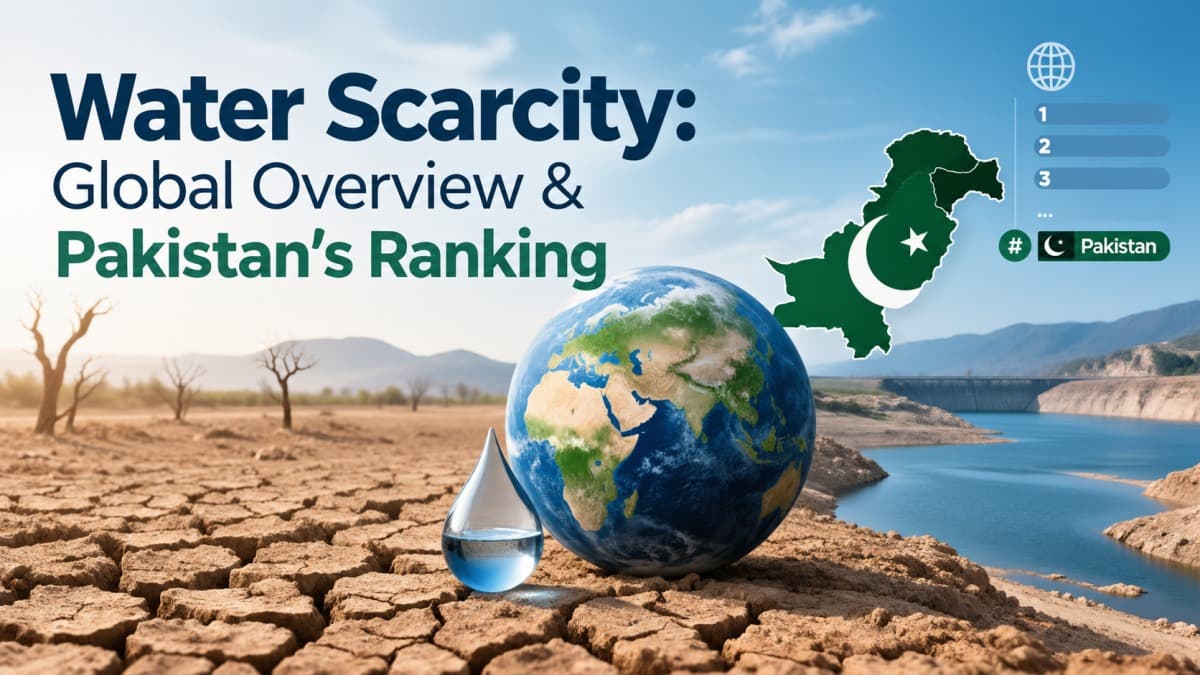
With limited storage infrastructure, erratic rainfall patterns, seasonal shifts in river flows, and rising domestic and industrial demand, Pakistan’s water system is increasingly stressed.(Pakistan Today). That’s why, per capita water availability has drastically reduced from 5250m3 to 850m3, putting the country near to the threshold of water scarcity.
Why Reform Matters for Water Scarcity and Climate Risk
Water is a backbone of Pakistan’s economy. It meets all needs of agriculture sector. It is very common perception that without water security, it’s impossible to ensure food security. Food security is the key to prosperity of coming generations. On the other hand, water meets 70% domestic and 100% industrial need. It is quite clear that importance of water is not just limited to the food security, but also responsible for the economic prosperity of Pakistan.
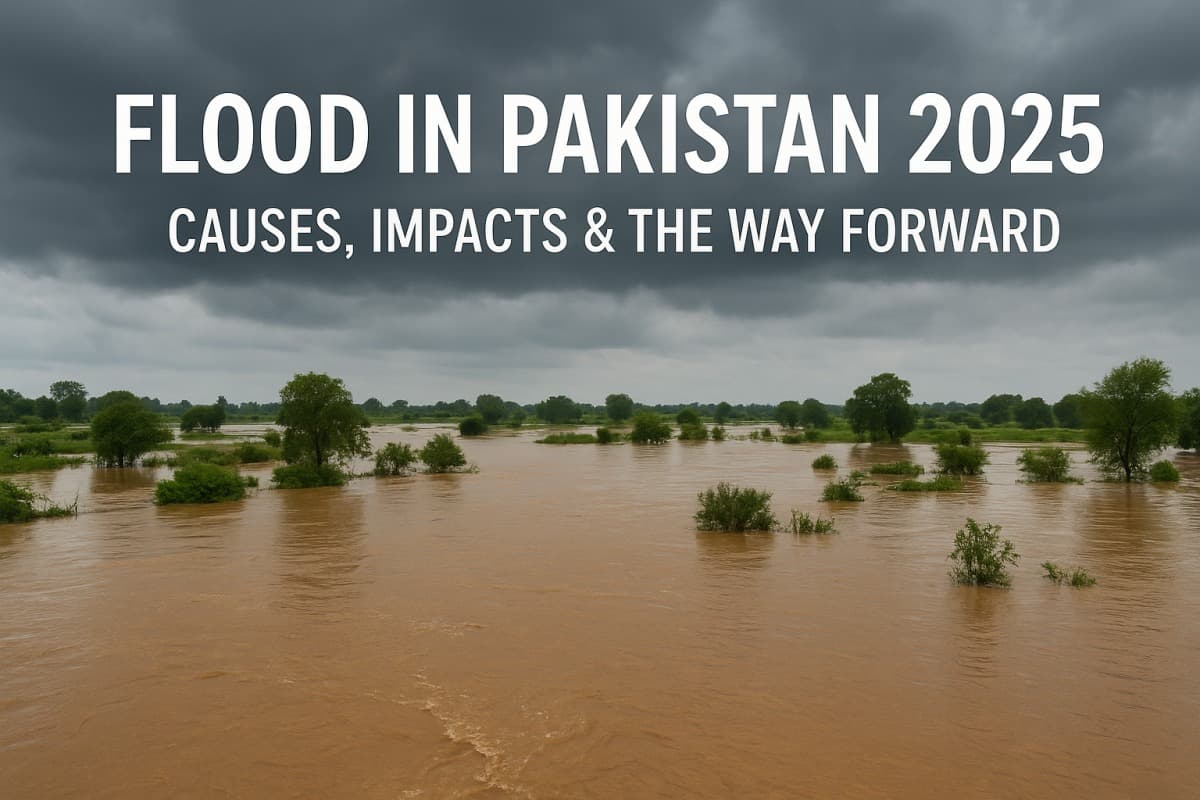
In addition, climate change resulting in extreme weather event like long duration drought, unprecedented floods, GLOFs and changing monsoon patterns. Ultimately, water shortages are expected to intensify, threatening food security for a growing population.
Policy Solutions for Flood Irrigation Reform
1. Integrate Flood Irrigation Reform in National Water Policy
Pakistan’s National Water Policy 2018 is considered milestone which provide a roadmap to ensure water secure future for coming generation. It’s implementation in true letter and spirit is dire need of the hours. The policy emphasis moving toward “More Crop per Drop” by adopting high-efficiency irrigation technologies like drip and sprinkler systems. The Policy also recommends complete ban on flood irrigation. So, updating and enforcing these provisions can eliminate flood irrigation practices that is real threat for precious resource of water.
2. Incentivize Efficient Water Use Technologies
Need to replace inefficient flood irrigation with High Efficiency Irrigation System (HEIS) like drip and sprinkler system. The drip system is 95% efficient is properly installed whereas sprinkler system is up to 85% efficient. These systems require high capital investment so government should provide subsidy to make these technologies adoptable especially for poor and small land holder. The use of water efficient technology will not reduce water losses but also improve yield to cope up the prevailing challenges of food insecurity.
In addition, these modern technologies make farmers resilient to climate variability. Currently, government of Punjab is executing “Punjab Resilient and Inclusive Agriculture Transformation (PRIAT) project in which small farmers are getting subsidy up to 75% of the total project cost whereas rest of the 25% cost is bear by government. This kind of subsidy program need to upscale and subsidy ratio need to be more attractive for farmers to make the adoptability of HEIS easier.
3. Reform Water Pricing and Governance
Farmers take water as free commodity instead of economic good because Abiana charges are very low. Farmers don’t get direct financial return from saving water. So, Abiana (water charges) collected from farmers should be change from area-based to volumetric basis systems. This practice can encourage conservation. So, adequate water pricing needs to be implemented should enforce on immediate basis to save this precious resource. Implementing transparent, data-driven water allocation frameworks and stronger regulatory mechanisms will reduce waste and ensure equitable distribution across regions and sectors.
4. Farmers Education and Awareness
Most of the farmers in Pakistan are illiterate and have no awareness/knowledge of modern irrigation practices. They think that modern irrigation techniques are expensive, complex and demand more vigilance as compare to flood irrigation. Actually, lack of awareness and technical support is a major barrier to adoption of efficient irrigation. Awareness campaign should be started through electronic and print media. Government departments should arrange farmer’s training programs to inform them regarding prevailing challenges of water scarcity and motivate them to discourage inefficient flood irrigation practices for water secure future.
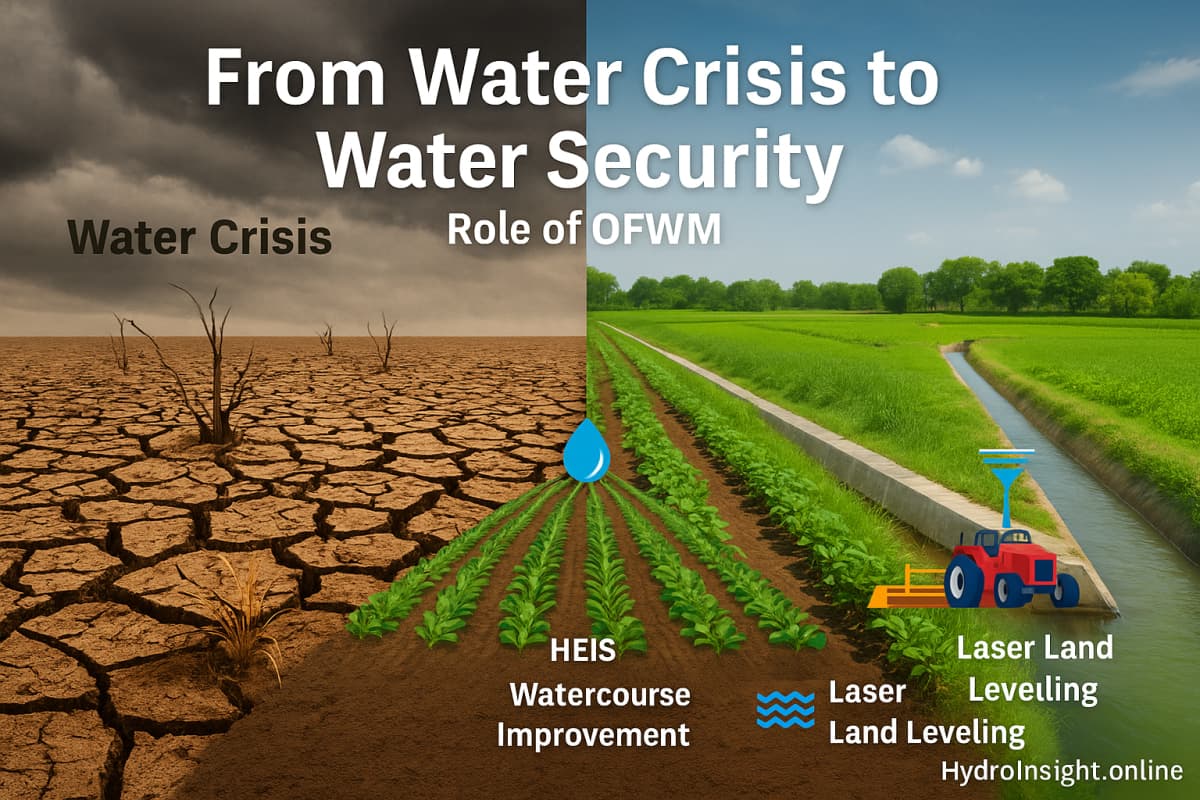
Moreover, need to establish demonstration farms to educate farmers regarding superiority of modern practices over flood irrigation. For example, Government of the Punjab, On Farm Water Management (OFWM) department has established Water Management Research Farm at Renala Khurd where all intervention has been demonstrated to educate farmers.
5. Enhancing the Efficiency of Flood Irrigation
Despite government subsidies and initiatives to promote High Efficiency Irrigation Systems (HEIS), their adoption in Pakistan remains disappointingly slow. So far, only about 100,000 to 150,000 acres of the culturable command area have been converted to micro-irrigation, a negligible figure compared to developed agricultural economies. Furthermore, a significant number of HEIS units installed under projects such as Punjab Irrigated Agriculture Productivity Improvement Program (PIPIP) and Punjab Irrigated Agriculture Technical Assistance Project (PRIAT) are reportedly non-functional, largely due to issues related to maintenance, cost, and farmer adoptability.
Given these practical constraints, a more realistic and immediate approach is to enhance the efficiency of existing flood irrigation rather than relying solely on its replacement. This can be achieved through ICT-based smart irrigation tools, the use of real-time evapotranspiration (ETo) data for precise water scheduling, and improved on-farm water management practices. In addition, the adoption of laser land levelling can significantly minimize water wastage by ensuring uniform water distribution, reducing irrigation losses by approximately 20% to 30% while simultaneously improving crop productivity and soil health.
6. Change cropping patterns
Currently, Pakistan grows highly water intensive crops like Rice, Wheat, Maize, Cotton and Sugarcane. These crops consume 80% of the total water available to the agriculture sector and contributes only 5% in national GDP. Under present situation of water scarcity, we need to focus on less water intensive crops like pulses and oilseeds. Secondly, sowing of highly value crops on HEIS should be encourage.
Conclusion
Pakistan’s continued dependence on flood irrigation is no longer sustainable amid growing challenges of water scarcity, climate change and food insecurity. No doubt, flood irrigation has historically supported agricultural growth but now, its inefficiency poses a serious threat to water security, soil health, and long-term economic stability. Moreover, declining per capita water availability and increasing climate variability further highlight the urgency of flood irrigation reform. If left unaddressed, inefficient irrigation practices will deepen water stress, reduce crop resilience, and undermine food and economic security for future generations.
References
https://www.sciencedirect.com/topics/agricultural-and-biological-sciences/flood-irrigation
https://www.jswcd.org/files/229a00ddf/FloodIrrigationFactsheet.Intro.4.0_19-06-17.pdf
https://icid-ciid.org/Knowledge/basic_term/16/Irrigation
https://www.agrivi.com/blog/modern-management-of-centennial-furrow-irrigation/
https://hydrosmart.com.au/technology/flood-irrigation/
https://www.blacksirrigation.com/post/the-pros-and-cons-of-flood-irrigation
https://www.mdpi.com/2073-4441/17/20/3018
https://www.twl-irrigation.com/modern-methods-of-irrigation/
FAQs
What policy solutions can improve irrigation efficiency in Pakistan?
Effective policy solutions include improving conveyance efficiency, application efficiency and water use efficiency by investing in irrigation infrastructure modernization, adopting HEIS, introducing adequate water pricing reforms and providing subsidies for modern irrigation technologies.
What are the disadvantages of flood irrigation?
Flood irrigation is highly inefficient irrigation practice (65% efficient) resulting in huge lose of water by deep percolation and surface runoff. It also causes temporary water logging, aeration stress and salinity issues especially in fine textured soil which ultimately leads to low yield of crops.
What are the economic benefits of transitioning from flood irrigation to efficient systems?
Transitioning to efficient irrigation not only save water for future generations but also increases crop yields, lowers energy use for groundwater pumping, and improves farm profitability, especially in water-scarce regions.
How does flood irrigation contribute to climate risk in Pakistan?
Flood irrigation increases climate vulnerability by overusing water during drought periods and worsening waterlogging during heavy rainfall. With rising temperatures and unpredictable monsoons, inefficient irrigation systems reduce resilience to climate shocks and extreme weather events.