Saving Water, Securing Pakistan: An Urgent Wake-Up Call
This blog highlights Pakistan’s growing water crisis, aiming to raise public awareness and urge policymakers to act before this vital resource reaches a critical point.

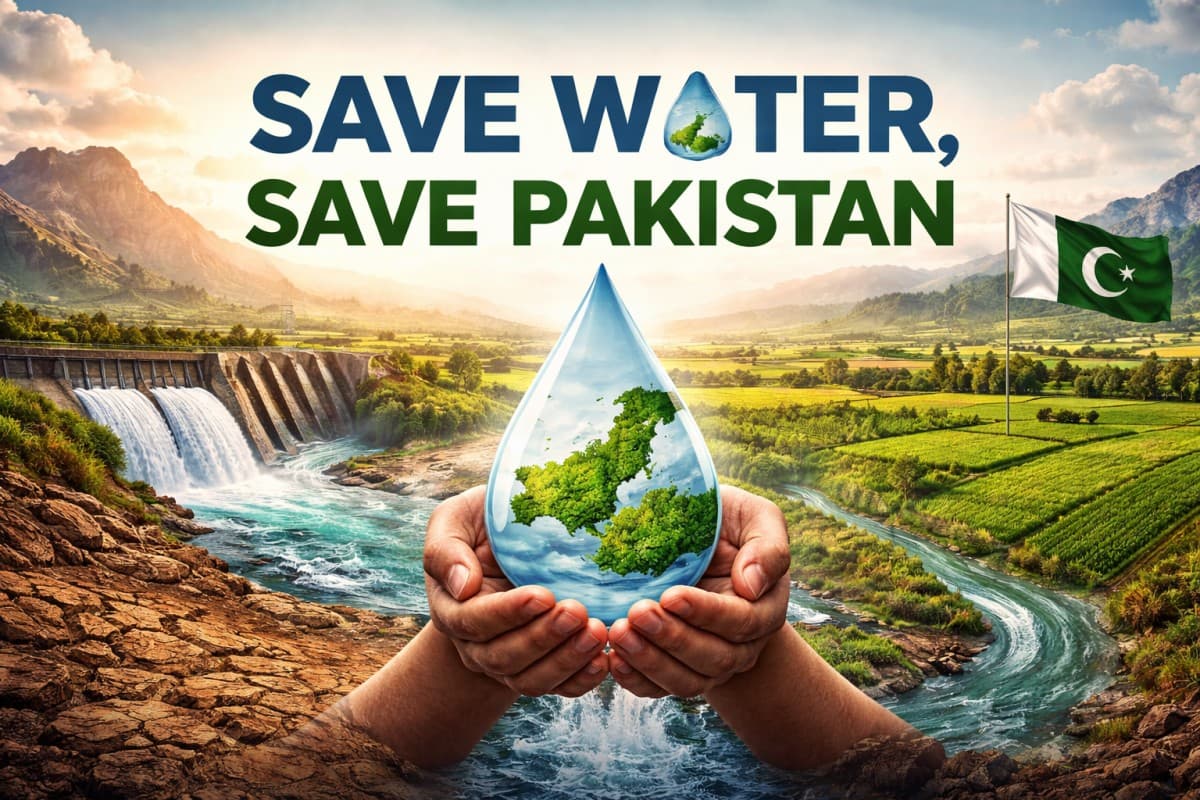
Water is not merely a resource; it is the lifeline of Pakistan. It is very crucial for our economy, environmental sustainability and even for sustaining our lives. Agriculture, often called the backbone of Pakistan but draws its strength from water. Nearly 90% of our water is consumed by this sector, making it central to our food security, economy, and survival.
To care about water is to care about Pakistan’s economy, sovereignty, and future generations. Every drop we conserve strengthens our nation’s stability and prosperity. On the other hand, every drop wasted pushes us closer to economic crisis, food insecurity and national vulnerability.
Water is not ordinary; it is a strategic resource. Around the world, nations are managing and safeguarding water with planning and urgency. Yet in Pakistan, it is still often treated as an abundant and free commodity which is carelessly wasted and poorly managed. This negligence is no longer affordable.
Moreover, the recent unilateral suspension of the Indus Waters Treaty by India is not merely a political development; it is a wake-up call that water can be weaponized. It exposes the risks of dependence without preparation and demands unity and decisive action from Pakistan.
Unfortunately, instead of unity, we remain entangled in internal disputes, provincial mistrust over water distribution accorded under Water Apportionment Accord 1991, prolonged debates over dams such as Kalabagh, and controversies surrounding new canal projects. This is not the time for division; it is the time for standing united. Water must not be a source of conflict, it must become a catalyst for national unity. A united Pakistan can secure its food supply, strengthen its economy, and protect the fundamental rights of its people.
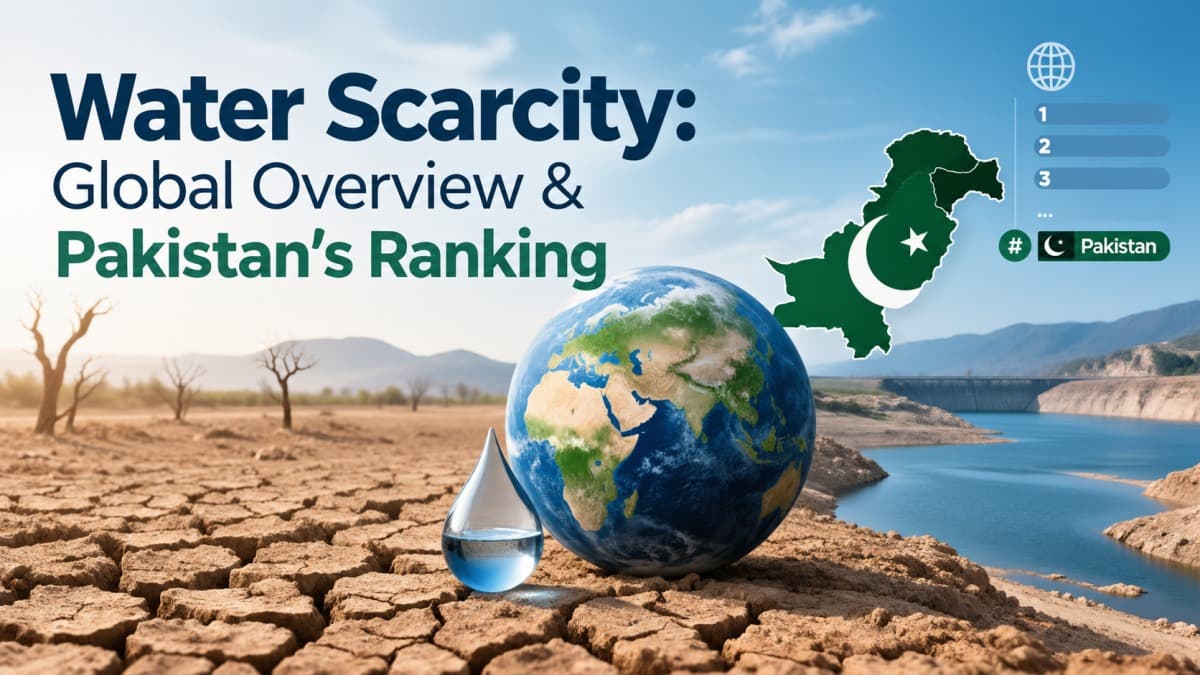
Pakistan is facing a severe and rapidly escalating water crisis. Per capita water availability has declined dramatically from 5,260 m3 in 1950 to less than 1,000 m3 today, bringing the country dangerously close to absolute water scarcity. In Balochistan, the situation is even more alarming, with availability dropping to nearly 250 m3 per person.
Groundwater resources are under immense pressure. The Indus Basin aquifer is now the 2nd most overstressed aquifer in the world. Annual groundwater extraction exceeds 55 MAF, far beyond sustainable limits, causing a rapid decline in water tables. As a result, groundwater has already become inaccessible in approximately 15% of irrigated areas in Punjab and 20% in Balochistan.
Storage capacity presents another critical challenge. Pakistan stores only about 10% of its annual water flows, significantly lower than the global average of 40%. This leaves the country with just 30 days of water storage, compared to around 130 days in India and nearly 900 days in the United States. Despite 2.6 times increase in population since 1972, water storage capacity has remained stagnant at around 14 MAF, with no major reservoir constructed since 1972 after comissioning of Tarbela. Consequently, nearly 30 MAF of water flows into the sea each year due to insufficient storage, further intensifying the crisis.
These alarming facts highlight the urgent need to rethink our national priorities. While infrastructure projects such as metro bus, motorways, and orange train may show development but they cannot address the fundamental challenge of water scarcity. The real threat is silent and devastating, driven by climate change, poor governance, and growing demand. Without timely action, water scarcity could severely undermine our sovereignty, agricultural sustainability and economic stability.
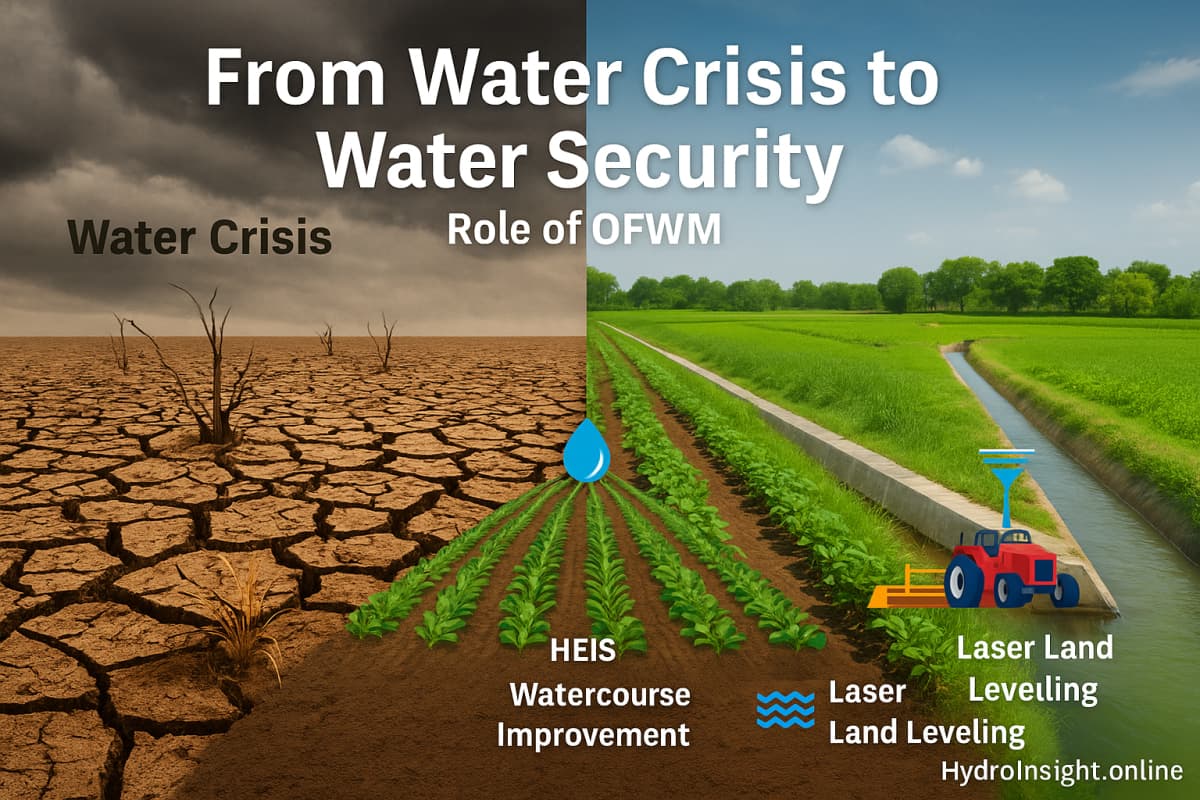
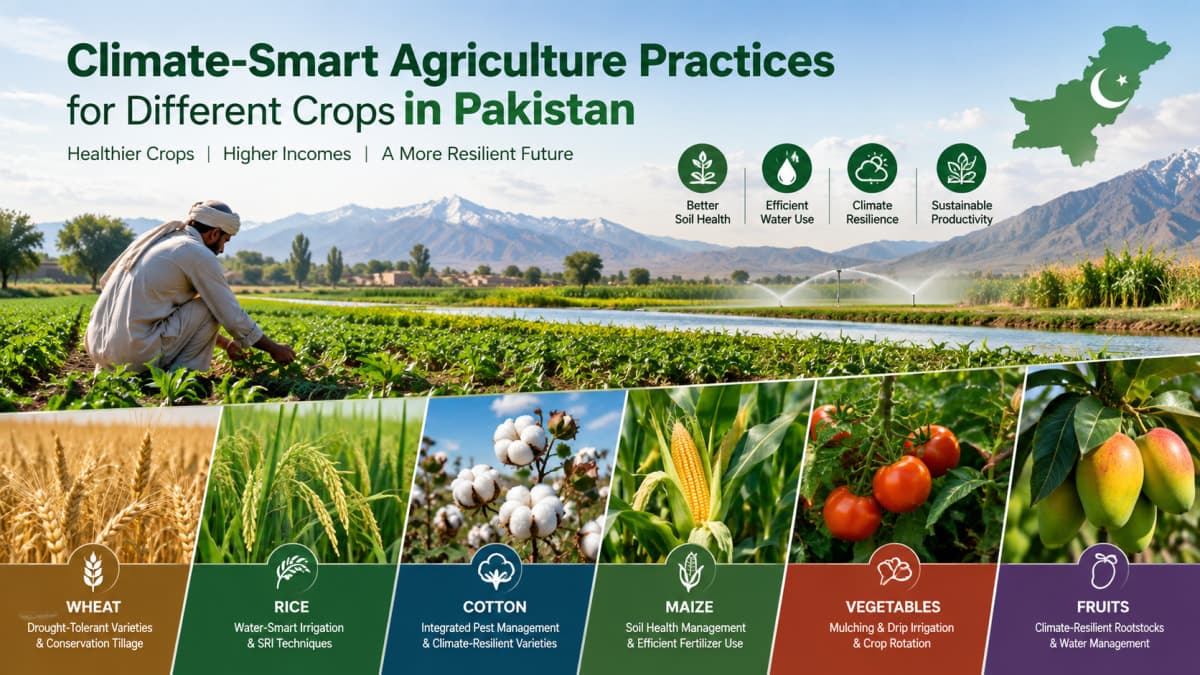
The path forward is clear, though it demands courage and commitment. Pakistan must invest in building new reservoirs, regulate groundwater extraction responsibly, promote climate-smart agriculture, and strengthen water governance at every level. At the same time, it must protect its transboundary water rights through strategic planning and diplomacy.
History offers a simple lesson: nations that respect and manage water wisely achieve prosperity, stability, and growth. Those that neglect it face decline and hardship.
Save water, because saving water means saving Pakistan.
References
https://www.hydroinsight.online/blog/why-water-governance-in-pakistan-is-failing-and-how-to-fix-it
https://www.hydroinsight.online/blog/kalabagh-dam-project-advantages-issues-current-status