Water Management in Agriculture: Securing Pakistan’s Water Future
Explore smart water management in agriculture to conserve resources, boost yields, and secure Pakistan’s water future amid climate and scarcity challenges.

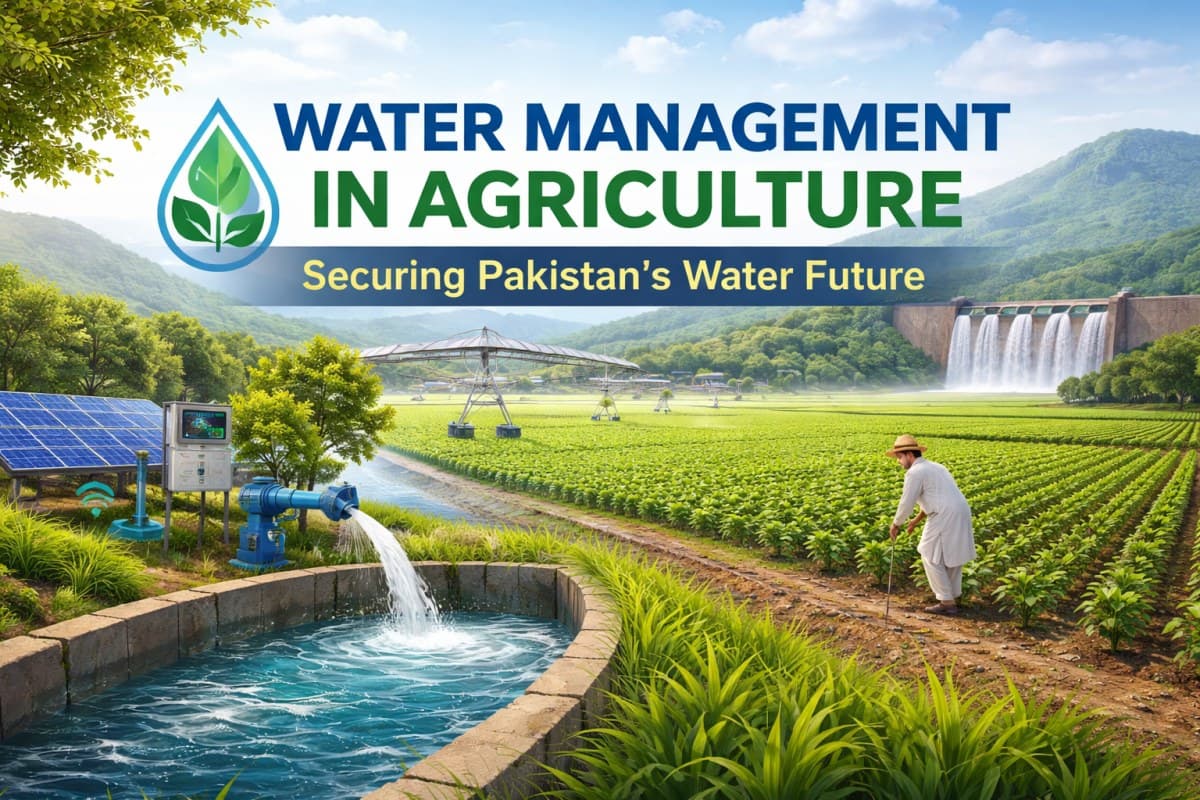
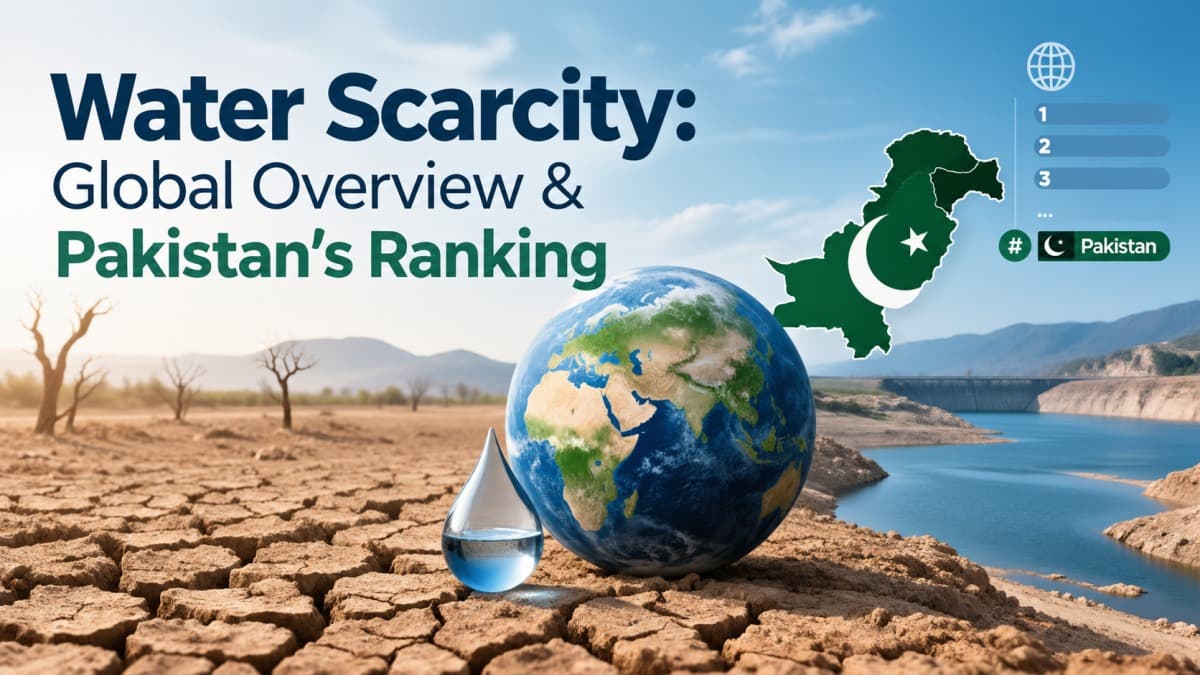
Water management in agriculture is the backbone of a country’s prosperity, particularly in a country like Pakistan where 90% of the total water consume by agriculture sector. This indicates that any mismanagement of water in agriculture can have severe consequences for overall water availability. Although climate change, rapid population growth, limited water storage, and cross-sectoral mismanagement all contribute to the water crisis but the agricultural sector remains the primary source of the problem due to its overwhelming share in water consumption.
Inefficient water management practices such as an outdated conveyance system, poor irrigation techniques, and low levels of mechanization have led to significant water losses. As a result, per capita water availability in Pakistan has declined sharply and is now approaching the threshold of water scarcity.
Pakistan receives approximately 145 MAF of water through surface supplies each year. Out of which 105 MAF available at canal headworks, 10% are system losses and 30 MAF directly goes to sea unutilized. However, about 61 MAF reaches at farm gates and only 43 MAF available to the crops, while the remaining water is lost during conveyance and application. This stark gap clearly highlights the extent of inefficiency and mismanagement within the system.
Undoubtedly, constructing large dams requires massive capital investment, addressing climate change is a long-term global challenge, and managing rapid population growth is equally complex. However, improving the management of the 105 MAF of water available at the canal heads is both practical and achievable. Even modest improvements such as efficient irrigation practices, better canal maintenance, and modern water-saving technologies can yield transformative results. By managing existing resources more effectively, Pakistan will not only prevent worsening water scarcity but also ensure sufficient water availability for the next two decades.
Sometimes, it is not the scale of resources that determines success, but the wisdom with which they are managed. Small, timely steps can bring about changes far beyond imagination. Therefore, improving water management in agriculture is essential not only for conserving this vital resource but also for ensuring long-term economic prosperity, food security and environmental sustainability.
EFFECTIVE WATER MANAGEMENT SOLUTIONS
1. Improving Irrigation Infrastructure
The Pakistan irrigation system is 40% efficient; it means that about 60% of water is lost in conveyance due to poor irrigation infrastructure. The rehabilitation and improvement of existing irrigation infrastructure is the economical and practical solution to save a huge amount of water.
a. Barrages Rehabilitation
Pakistan has decade-old barrages which have served the nation but gain little attention regarding improvement and rehabilitation, which leads to poor control and regulation of water. Moreover, inefficient barrage operation not only causes the mismanagement of water but also develops mistrust among provinces over water share as accorded under the Water Apportionment Accord 1991. Upgrading old barrages with modern engineering and monitoring systems increases their efficiency and reliability, which further ensures better flow regulation, flood control and equitable distribution of water.
b. Canal Lining and Improvement
Pakistan has the world's largest contiguous irrigation system. The canals are the backbone of this system, but many suffer from leakage, poor maintenance and inefficiency. As discussed above, 105 MAF of water is available at canal headworks, out of which 61 MAF reaches farm gates, whereas the remaining water is lost during conveyance in canals, distributaries, minors and watercourses. This enormous loss underscores the urgent need for improvement of the conveyance network. To address these challenges, canals must be rehabilitated and upgraded in line with their original design capacity. Where full canal lining is not feasible due to financial or logistical constraints, targeted or partial lining can still make a substantial difference by minimizing seepage losses. Improving canal infrastructure not only ensures better water distribution today but also plays a crucial role in conserving water resources for future generations.
2. Adopting On Farm Water Management Interventions
a. Watercourse improvement
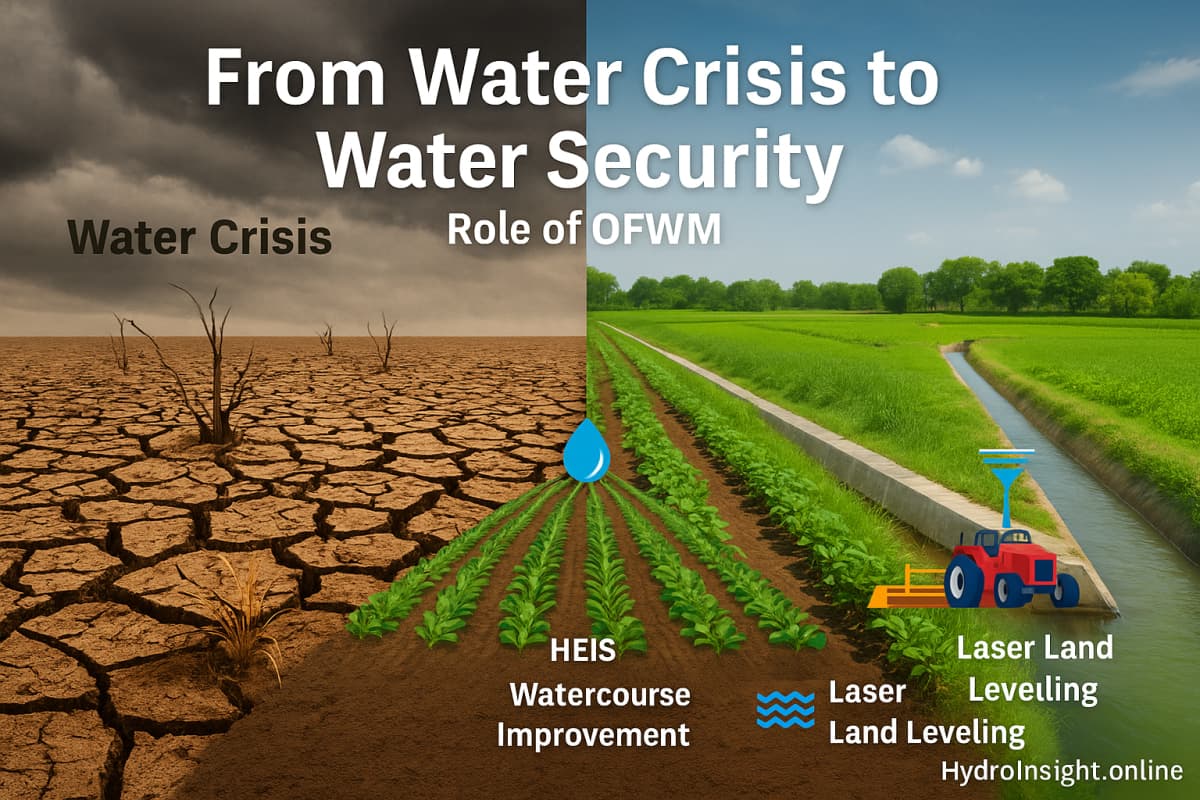
The government of Punjab has completed PIPIP project and currently doing Punjan Resilient and Inclusive Agriculture Transformation (PRIAT) project for watercourse improvement. Evidence from the PIPIP project clearly demonstrates the effectiveness of watercourse improvement. It has been established under PIPIP project that Each year, an impressive 229 acre-feet of water was saved in regular watercourses, 164 acre-feet in additional watercourses, and 55 acre-feet through irrigation schemes. Under prevailing challenges of growing water scarcity and increasing agricultural demands, it is imperative to scale up watercourse lining initiatives. Scaling up the watercourse improvement will not only reduce water losses but also ensure sustainable water availability, safeguarding this vital resource for future generations.
b. High Efficiency Irrigation Systems (HEIS)
Experience from systems installed across Pakistan under PIPIP projects shows that this technology has transformed agriculture in extraordinary ways. Farmers have witnessed up to 50% water savings, 20 to 100% increase in crop yields, and fertilizer savings of up to 60%. Currently, the Punjab government is providing subsidy on HEIS to make this technology adoptable especially for small landholding farmers.
c. Laser Land Levelling
Studies have indicated that a significant (20-25%) amount of irrigation water is lost during its application at the farm due to poor farm designing and unevenness of the fields. If a land is properly levelled with Laser Land Leveler, it results in 20-25% water saving and significantly reduce water loses especially in rice field.
d. Use of Soil Moisture meter
Soil moisture meters enable the efficient use of water by providing real-time monitoring of soil moisture levels. They help maintain optimal soil conditions, preventing both over-irrigation and under-irrigation. As a result, their use enhances water productivity and leads to improved crop yields.
e. Cut off stream management
Cut of stream management practice is very effective in border irrigation. In border irrigation, cut-off stream management means deciding when to stop the water flow into the border strip so that the field gets enough water without wasting it. Usually, farmers apply 100% irrigation to border. But in cut of stream management, irrigation should be stop when water reaches at 80%% of the total border length whereas remaining 20% is filled by gravity. In this practice, water is not wasted in deep percolation and surface runoff. Moreover, waterlogging issues not happen. On Farm Water Management department is currently doing this practice at farmers field under PRIAT project
f. Groundwater Recharge Boreholes
Groundwater recharge boreholes are an effective and sustainable solution for managing excess water in agricultural fields, particularly during the monsoon season. They play a dual role by both protecting crops and conserving vital water resources.During periods of heavy rainfall, especially in rice-growing areas, these boreholes help drain excess surface water, thereby reducing the risk of crop damage caused by flooding and prolonged waterlogging. At the same time, the collected excess water is directed into the ground through these boreholes, allowing it to percolate and replenish underground aquifers. This process supports sustainable groundwater management by improving water availability for future irrigation needs.
3. Optimizing Crop Selection to Save Water
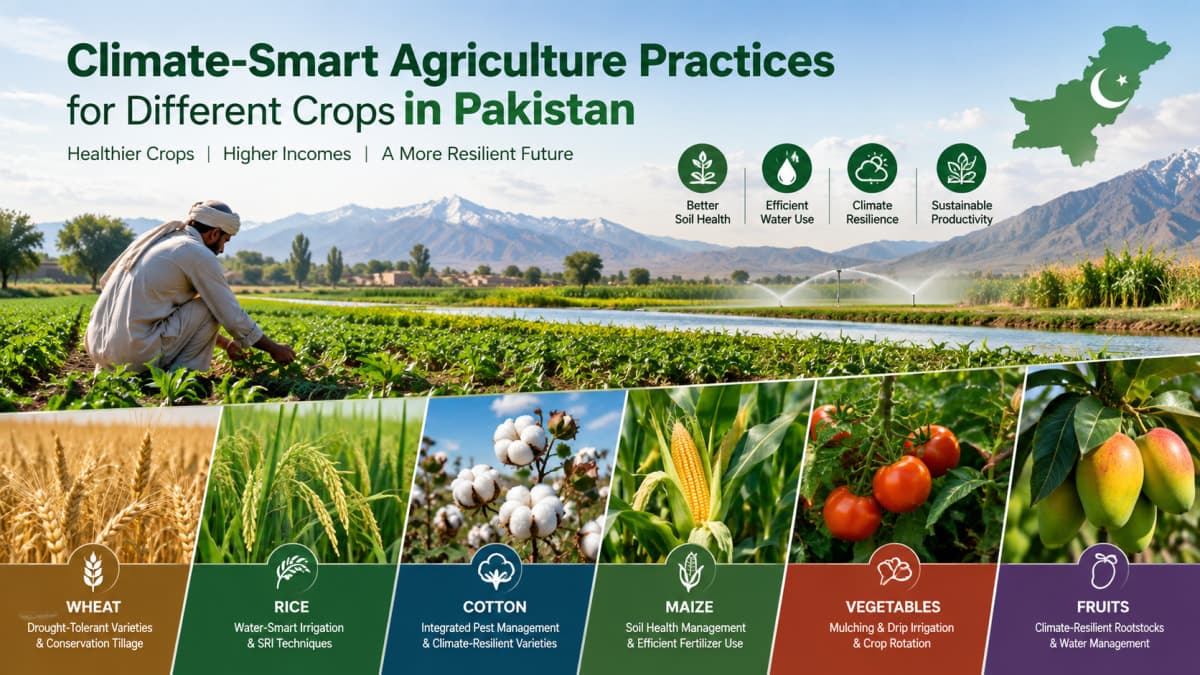
Currently, farmers are cultivating high water intensive crops such as wheat, maize, rice, cotton, and sugarcane. Despite their heavy demand on water resources, these crops contribute only about 5% to the national GDP. In the face of increasing heat waves and prolonged droughts, there is an urgent need to invest in research to develop heat and drought tolerant crop varieties. Moreover, high-water-intensive crops needs to be replaced with less-water-intensive crops. Such an approach would not only enhance climate resilience but also significantly reduce water consumption in agriculture, ensuring more sustainable farming practices for the future.
4. Budget Allocation to Water Sector Institutions
Departments and institutions responsible for water management often receive limited financial resources due to the relatively low priority given to the water sector. This underfunding constrains their operational capacity and weakens their ability to effectively plan, execute, and sustain ongoing water management projects. Insufficient budget allocations also hinder the adoption of modern technologies, maintenance of infrastructure and timely response to emerging water-related challenges. Increasing and prioritizing budgetary support for these institutions is essential to strengthen water governance, improve service delivery, and ensure the long-term sustainability of water resources.
5. Capacity Building of Institutions
Strengthening institutional capacity is critical for improving water management outcomes. This can be achieved through targeted training programs, short professional courses, and funded higher education opportunities such as PhD programs. Such initiatives enhance technical expertise, promote innovation, and equip professionals with exposure to modern tools and interventions. Additionally, departments should establish dedicated research and development wings to support the indigenization of technologies. Developing locally adapted solutions will make these technologies more cost-effective, accessible, and sustainable, ultimately improving the efficiency and resilience of water management systems.
6. Water metering and pricing
Farmers take water as free commodity because they don’t get any direct financial reward from saving water. Moreover, abiana collected from farmers is very low even covers only 20% of the operational and maintenance cost of irrigation system. That’s why they are continue to adopt centuries old flood irrigation method which resulted and huge loss of water by seepage, runoff and evaporation. Moreover, abiana is collected on land basis instead of volumetric basis which also encourage misuse and wastage of water. Government needs to collect abiana on volumetric basis and meter should be installed to ensured measured supplies of Water. Incentive program linked with water saving need to be introduced to encourage efficient use of water.
7. Groundwater regulation
Since the 1960s, Pakistan has heavily relied on the development and extraction of groundwater resources, with little emphasis on their monitoring, regulation, and sustainable management. Over time, this has led to the installation of approximately 1.4 million tubewells across the country, with an additional 10,000 tubewells being added each year. This unchecked expansion has placed immense pressure on groundwater reserves, leading to declining water tables, deteriorating water quality, and increasing risks of long-term depletion of this critical resource.
To address this growing challenge, the government must introduce strict groundwater governance policies, including mandatory permits for the installation of new tubewells. No tubewell should be installed without prior approval from the relevant authorities. In addition, comprehensive monitoring systems, groundwater mapping, and data-driven management strategies should be implemented to ensure sustainable extraction.
CONCLUSION
As Pakistan stands at the crossroads of rising water scarcity and growing agricultural demand, the path forward is clear: the solution does not lie solely in creating new resources, but in managing existing ones wisely. The numbers tell a compelling story, vast quantities of water are available, yet inefficiencies and mismanagement continue to deprive the whole nation from this vital resource.
The future of Pakistan’s agriculture depends on a shift in mindset, from abundance to accountability and from tradition to innovation. By modernizing irrigation infrastructure, empowering farmers with efficient technologies, regulating groundwater, and introducing smart policies like water pricing and metering, the country can transform its water crisis into an opportunity for sustainable growth.This is not a distant vision but an achievable reality. Every drop saved today is an investment in tomorrow’s food security, economic resilience, and environmental stability.
REFERENCES
https://www.waterlinecontrols.com/water-management-in-agriculture/
https://www.fao.org/land-water/water/water-management/agriculture-water-management/en/
https://climate.ai/blog/water-management/
FAQs
What is On Farm Water Management?
On Farm Water Management (OFWM) refres to the practices/technolgies carried out at farm level to conserve water by improving conveyance efficiency, application efficiency and water use efficiency. These practices include Watercourse lining, High Efficiency Irrigation System (HEIS), Laser Land Levelling and Soil moisture gadgets.
What are the challenges in agriculture water management?
- Water scarcity
- climate change
- poor irrigation practices
- lack of awareness